
 EN
EN
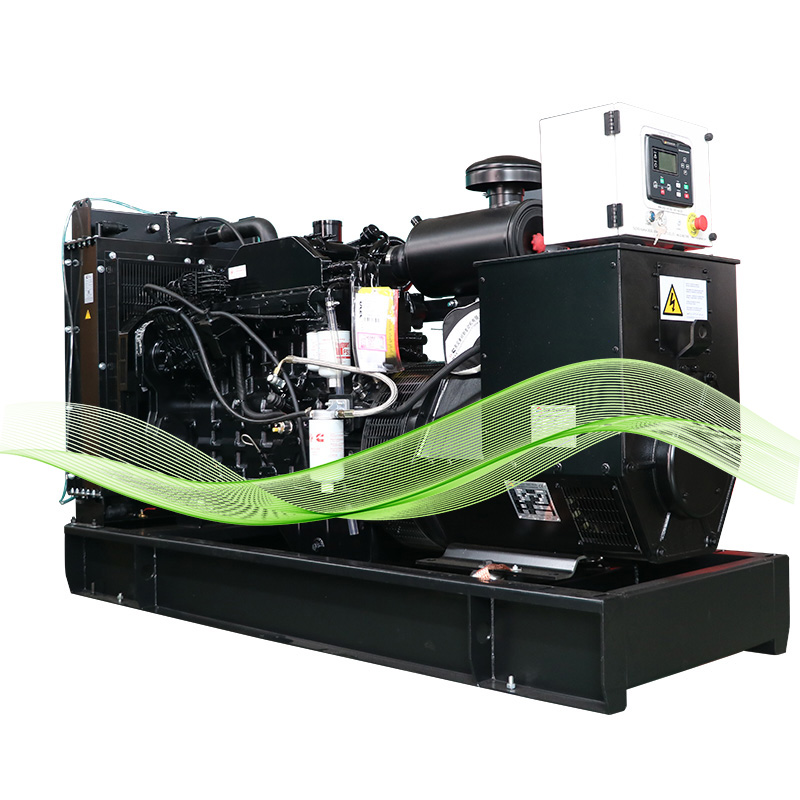
تحديد حجم الطاقة وملاءمة الأحمال لتشغيل موثوق لمولدات الديزل البحرية
فهم ملفات الطلب الكهربائي للسفينة: الأحمال الديناميكية مقابل القاعدة المستمرة
يبدأ تحديد حجم القدرة الكهربائية بشكل صحيح بفهم ما الذي يعمل باستمرار مقابل ما يشهد ارتفاعات مفاجئة. فعلى سبيل المثال، تُعد الأجهزة مثل أجهزة الملاحة والإضاءة ووحدات الثلاجة هي التي تمثل الحمل المستمر، وعادةً ما تستهلك حوالي 30 إلى 50 بالمئة من إجمالي النظام. ولكن هناك أيضًا تلك الزيادات المفاجئة عند تشغيل معدات مثل دفع القوس أو المضخات الطارئة التي تعمل بكثافة. قد تتطلب هذه الاندفاعات المؤقتة ضعف أو حتى ثلاثة أضعاف كمية الطاقة العادية لبضع دقائق فقط. وإذا كان الحجم المحدد صغيرًا جدًا، فقد تتعرض المحركات للحمل الزائد عند رسو القارب أو التعامل مع حالات الطوارئ. وعلى الجانب الآخر، فإن تشغيل المحركات بسعة أقل من 30% يسبب مشاكل أيضًا. تُعرف هذه الحالة باسم التجميع الرطب (wet stacking)، حيث يتراكم الوقود غير المحترق مما يؤدي إلى انسداد الحقن ويُفسد المكابس وأجزاء العادم مع مرور الوقت. يجد معظم مشغلي القوارب أن أفضل أداء للمولدات الديزلية يكون عند تشغيلها بين 65 و75% من سعتها القصوى أثناء الرحلات العادية. وفي هذا النطاق، تبقى المحركات باردة بما يكفي، وتُحترق الوقود بكفاءة، وتظل لديها طاقة إضافية متاحة عند الحاجة.
شرح تصنيفات ISO 8528: الأداء الأساسي والمستمر والاحتياطي لمولدات الديزل البحرية
يُعرّف معيار ISO 8528 ثلاثة تصنيفات أداء ضرورية لاختيار المولدات البحرية:
| نوع التصنيف | سعة التحميل | المدة | الاستخدام البحري |
|---|---|---|---|
| رئيسي | متغير (≤ 100%) | غير محدود | مصدر الطاقة الأساسي للسفينة أثناء التنقل، بما في ذلك الأحمال الزائدة المؤقتة بنسبة 10% للتعامل مع الأحمال الديناميكية |
| مستمر | ثابت (100%) | غير محدود | أحمال مستقرة وغير متقلبة — على سبيل المثال أنظمة المستشفيات العائمة أو أجهزة قياس السفن البحثية |
| وضع الاستعداد | متوسط ≤ 70% | ≤ 500 ساعة/سنة | للدعم الطارئ فقط؛ ولا ينبغي استخدامه في التشغيل الروتيني |
يترتب على الاستخدام غير الصحيح عواقب ملموسة: الوحدات ذات التصنيف الاحتياطي التي تكون أكبر من الحجم المطلوب للعمل الأساسي تتكبد تكاليف وقود أعلى بنسبة ~17٪ بسبب عدم الكفاءة المزمنة في ظل الأحمال الجزئية، في حين تتعرض الوحدات الأولية الأصغر من الحجم المطلوب إلى ارتداء أسرع بنسبة تصل إلى 90٪ في بطانات الأسطوانات والتوربينات الشحن. يجب دائمًا مطابقة التصنيف وفق معيار ISO مع ملف تشغيل السفينة الفعلي – وليس القيم القصوى النظرية.
المواصفات الفنية والتشغيلية الحرجة لمولدات الديزل البحرية
اختيار نظام التبريد: المقارنة بين التبريد بالمياه المالحة، والتبريد بالغلاف، والتبريد بالدورة المغلقة من حيث التآكل والكفاءة
الطريقة التي نُصَمِّم بها أنظمة التبريد لها تأثير كبير على مقاومتها للتآكل، وقدرتها على إدارة الحرارة، ومدى متانتها بمرور الوقت. فبالفعل، تُعد الأنظمة المفتوحة الدائرة التي تستخدم مياه البحر فعالة في طرد الحرارة وتكلف أقل في البداية، لكنها تأتي بثمن. إذ تتعرض الأجزاء الداخلية للتآكل بشكل أسرع، ما يعني أن أصحاب القوارب يحتاجون إلى أقطاب تضحية، وإجراءات تنظيف مستمرة، ومراقبة دقيقة لكل شيء. ويأخذ نظام التبريد الكيلي الأمور خطوة أبعد من خلال إبقاء مياه البحر بعيدة تمامًا عن المكونات، وبالتالي تدوم الأجزاء لفترة أطول عادةً. ومع ذلك، هذه الأنظمة ليست مثالية أيضًا. فهي تقلل الكفاءة الحرارية بنسبة تتراوح بين 7 إلى 12 بالمئة، وتخلق مشكلات محتملة عند ثقب الهيكل أثناء التركيب. أما بالنسبة لمعظم القوارب، فإن الأنظمة المغلقة الدائرة مع مبادلات حرارية تعمل بمياه البحر تبدو الخيار الأمثل. حيث تحافظ هذه الأنظمة على درجة حرارة السائل المبرد ثابتة حول 180 درجة فهرنهايت، وتحمي مكونات المحرك من أضرار مياه البحر، وتعمل فعليًا على التعامل مع الحرارة بنسبة أفضل بـ 25 إلى 30 بالمئة مقارنة بالأنظمة المفتوحة الدائرة وفقًا لأبحاث RPM Diesel لعام 2025. وعند الحديث عن المواد، فإن سبائك البرونز النيكلي تتميز حقًا في مقاومة مشكلات تآكل مياه البحر مقارنةً بخيارات الفولاذ المقاوم للصدأ العادية المتاحة في السوق اليوم.
المساحة، الوزن، الضوضاء، واستهلاك الوقود: موازنة القيود في غرفة المحرك مع الأداء
يُعد الشكل الذي تتوضع به المولدات جسديًا مهمًا بقدر أهمية إنتاجها الكهربائي عند اتخاذ قرارات الاختيار. فالتصاميم الرأسية تستهلك أقل بمقدار 0.1 متر مكعب من المساحة لكل وحدة، مما يُحدث فرقًا كبيرًا على السفن حيث يُحسب كل سنتيمتر بدقة في غرفة المحرك. وتؤثر القيود المكانية على استقرار الهيكل وعلى المواضع التي يجب أن تتركز فيها موازنة الوزن. وقد أصبحت الأغلفة الجديدة المصنوعة من الألومنيوم أخف وزنًا الآن، حيث تقلل الوزن بنسبة تتراوح بين 15 إلى 20 بالمئة دون التأثير على متانة البنية. كما أن إدارة مستويات الضوضاء لا تتعلق بالراحة فحسب. إذ تساعد الأغطية العازلة للصوت التي تحافظ على مستوى الضجيج أقل من 75 ديسيبل على بعد متر واحد في الوقاية من إرهاق الطاقم والامتثال للوائح البحرية الدولية. ويصبح موضوع استهلاك الوقود معقدًا بسرعة. فالمولدات الأصغر حجمًا تميل إلى حرق ما يقارب 30% إضافية من الوقود عند التعامل مع أحمال متغيرة لأنها تعمل بجهد أكبر من اللازم. وفي المقابل، فإن المولدات الأكبر حجمًا التي تعمل بحمل خفيف باستمرار تُهدر الوقود أيضًا لأنها لا يمكنها الوصول إلى درجات الحرارة التشغيلية المثلى. وتقلل الدعامات الخاصة الماصة للاهتزازات من الإجهاد الميكانيكي الواقع على هيكل السفينة ومن الضوضاء الخلفية المزعجة بشكل عام.
الشهادة البحرية والامتثال التنظيمي لمولدات الديزل
متطلبات الجمعيات التصنيفية (DNV، ABS، BV، CCS): ما تقتضيه كل منها للحصول على موافقة المولد البحري الديزلي
تضع مجموعات مثل DNV وABS وBureau Veritas (BV) وChina Classification Society (CCS) قواعد صارمة ولكنها تختلف إلى حدٍ ما لاعتماد المولدات الديزلية البحرية. وعلى الرغم من الاختلافات، فإن هذه المنظمات تشترط جميعها إجراء اختبارات معينة: فهي تطلب نتائج تحليل العناصر المحدودة (FEA)، والتحقق من مقاومة المواد للتآكل، وإجراء اختبارات كاملة للنظام في ظروف قاسية. فكّر في الأمر — فالسفن يجب أن تكون قادرة على التحمل أثناء الانحراف الجانبي بزاوية 22.5 درجة، والتذبذب الرأسي بزاوية 45 درجة، وفي درجات حرارة تتراوح بين البرودة الشديدة عند ناقص 25 درجة مئوية وحتى الحرارة الشديدة عند زائد 55 درجة مئوية. كما يجب أن تحظى الصناديق الكهربائية لهذه المحركات بحماية لا تقل عن مستوى IP56 ضد دخول المياه والغبار. وتشكل الأوراق الرسمية أيضًا جانبًا مهمًا جدًا. إذ يتعين على الشركات المصنعة تقديم تقارير تحليل أنماط الفشل، وتحديد مواعيد الصيانة الدورية، وإثبات مصدر كل قطعة مع شهادات اعتماد رسمية. وعلى الرغم من الاتفاق العام حول أهداف السلامة الأساسية، إلا أن هناك بعض الاختلافات في طريقة التنفيذ. على سبيل المثال، تشترط ABS إجراء اختبارات الصدمات وفقًا للمواصفات العسكرية MIL-STD-167، بينما يركّز CCS أكثر على مدى قدرة المعدات على التحمل في المناخات الاستوائية ذات الرطوبة العالية التي تصل إلى نحو 95% عند درجة حرارة 45 مئوية. ويمكن أن يؤدي عدم الامتثال لهذه المعايير إلى مشكلات خطيرة بالنسبة لمشغلي السفن، مثل فقدان تصنيفهم، أو مواجهة صعوبات عند دخول الموانئ الأجنبية، أو حتى بطلان تغطيتهم التأمينية.
الاتفاقية الدولية لمنع التلوث من السفن، المرفق السادس، والرمز الفني للانبعاثات النيتروجينية: الحدود من الفئة الأولى إلى الثالثة وآثار الامتثال في العالم الحقيقي
تحدد الاتفاقية الدولية للمنظمة البحرية (MARPOL) المرفق السادس منها قواعد صارمة بشأن انبعاثات أكاسيد النيتروجين من المولدات الديزلية للسفن، ويدعم هذه القواعد نظام الرمز التقني لـ NOx. بالنسبة لمعايير المرحلة الأولى (Tier I) التي تشمل المحركات المثبتة قبل عام 2000، فإن الحد الأساسي يبلغ 17 جرامًا لكل كيلوواط في الساعة بالنسبة للمحركات التي تعمل بسرعة أقل من 130 دورة في الدقيقة. أصبحت الشروط أكثر تشديدًا مع المرحلة الثانية (Tier II) بدءًا من عام 2011، حيث تم تخفيض هذه الحدود بنسبة تتراوح بين 15 إلى 20 بالمئة. وجاءت أشد المتطلبات مع المرحلة الثالثة (Tier III)، التي دخلت حيز التنفيذ في مناطق التحكم بالانبعاثات اعتبارًا من عام 2016. وتتطلب هذه المرحلة خفضًا مثيرًا للإعجاب بنسبة 80% في الانبعاثات، ويمكن تحقيق ذلك بشكل رئيسي من خلال تقنيات متقدمة مثل أنظمة الحفز الانتقائي لاختزال أكاسيد النيتروجين (SCR) أو طرق إعادة تدوير غاز العادم (EGR). وللحفاظ على الامتثال، يجب أن تكون السفن مزودة بشهادة محرك صالحة، ومعدات مراقبة فعالة على متنها لمستويات NOx، إضافة إلى فحوصات منتظمة كل سنتين لقياس عتامة الدخان. ومع ذلك، فإن تحقيق كل هذا ليس أمرًا سهلاً. فالسفن التي تستخدم تقنية SCR يجب أن تحافظ على إمدادات مستمرة من محلول AdBlue، وهو محلول اليوريا الخاص. كما يمكن أن تتجاوز تكلفة إعادة تجهيز المحركات القديمة 150 ألف دولار أمريكي لكل مولد. وتزداد جهات سلطة الموانئ تشددًا في قضايا الامتثال، وعند اكتشاف مخالفات، تصل الغرامات عادةً إلى حوالي 45 ألف دولار في كل مرة. والأمر الأسوأ هو أن التكرار في المخالفات قد يؤدي إلى مشكلات في العقود المتعلقة بالشحن، بل وقد يُرفض التغطية التأمينية.
قسم الأسئلة الشائعة
ماذا يحدث إذا كان مولد الديزل البحري صغير الحجم أكثر من اللازم؟
إذا كان مولد الديزل البحري صغير الحجم أكثر من اللازم، فقد يُحمَّل بشكل زائد أثناء حدوث قفزات كهربائية مفاجئة، مثل عند رسو القارب أو تشغيل المعدات الطارئة. ويمكن أن يؤدي ذلك إلى تلف المحرك وعدم كفاءة التشغيل.
ما هي عواقب استخدام مولد مصنف للاستعداد في واجبات رئيسية؟
يمكن أن يؤدي استخدام مولد مصنف للاستعداد في وظائف رئيسية إلى تكاليف وقود أعلى بنسبة 17% تقريبًا بسبب عدم الكفاءة عند الأحمال الجزئية، مما يسبب زيادة في المصروفات التشغيلية.
ما الفوائد التي تقدمها أنظمة التبريد ذات الدورة المغلقة للمولدات الديزلية البحرية؟
تقدم الأنظمة ذات الدورة المغلقة إدارة أفضل للحرارة وحماية من تآكل مياه البحر، مع الحفاظ على درجات حرارة ثابتة للتبريد، وتوفير كفاءة محسّنة مقارنةً بالأنظمة ذات الدورة المفتوحة.
ما أهمية الاتفاقية الدولية لمنع التلوث من السفن، الإعلان السادس (IMO MARPOL Annex VI)؟
ينظم المرفق السادس من اتفاقية ماربول انبعاثات أكاسيد النيتروجين من السفن، ويُعرّف حدود المرحلة الأولى إلى الثالثة، ويكفل الامتثال من خلال تقنيات مثل أنظمة SCR والفحوصات الدورية، مما يؤثر على المعايير البيئية والتشغيلية على حد سواء.