
 EN
EN
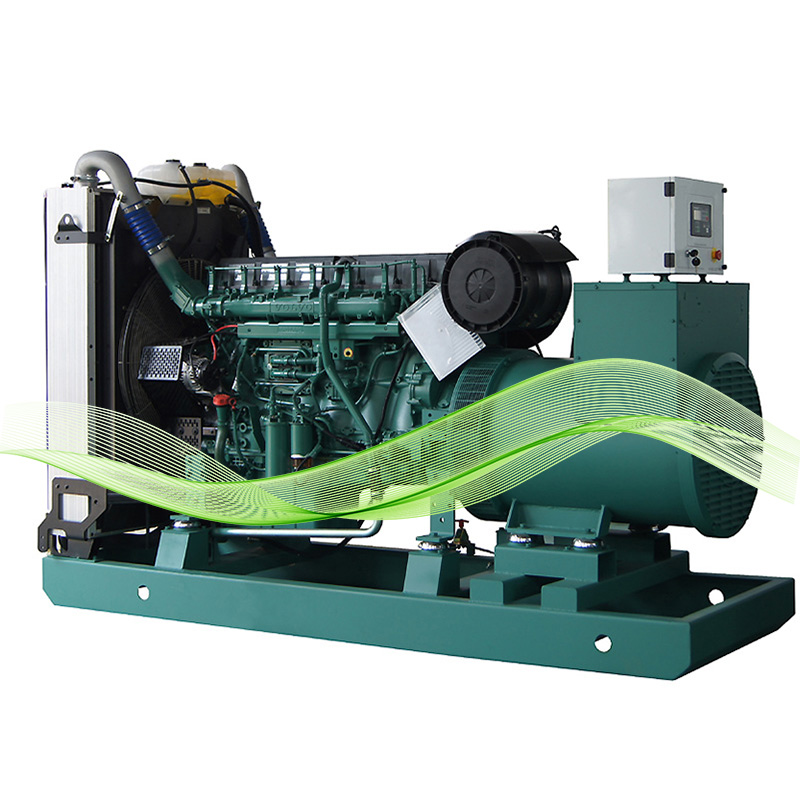
औद्योगिक उत्पादन का निरंतर विकास ऊर्जा आपूर्ति की स्थिरता, दक्षता और अनुकूलन क्षमता के प्रति कठोर आवश्यकताएँ लाता है। पारंपरिक ऊर्जा उपकरणों के क्रमिक विकास और अद्यतनीकरण तथा कम कार्बन विकास के दोहरे प्रवृत्तियों के तहत, गैस जनरेटर्स अपने विशिष्ट तकनीकी लाभों के कारण औद्योगिक ऊर्जा आपूर्ति प्रणाली में मुख्य विकल्पों में से एक बन गए हैं। ताइज़्हौ काइहुआ डीज़ल जनरेटर सेट्स कं., लिमिटेड 22 वर्षों से जनरेटर सेट्स के अनुसंधान एवं विकास तथा निर्माण में गहन रूप से संलग्न है। उद्योग में एक प्रमुख उद्यम के रूप में, कंपनी अपने गहन तकनीकी ज्ञान और अंतर्राष्ट्रीय ब्रांड्स के साथ गहन सहयोग पर निर्भर करते हुए, ऐसे गैस जनरेटर उत्पादों का निर्माण करती है जो औद्योगिक परिदृश्यों की ऊर्जा मांग को पूर्णतः पूरा करते हैं, विभिन्न उद्योगों में औद्योगिक उत्पादन के लिए एक विश्वसनीय ऊर्जा समाधान प्रदान करते हैं, तथा गैस जनरेटर्स के औद्योगिक अनुप्रयोग मूल्य को पूर्णतः प्रदर्शित करते हैं।
1. उच्च दक्षता और ऊर्जा बचत, औद्योगिक कम-कार्बन विकास की मुख्य आवश्यकताओं को पूरा करना
औद्योगिक क्षेत्र ऊर्जा की खपत का एक प्रमुख क्षेत्र है, और ऊर्जा संरक्षण, खपत में कमी, कम कार्बन उत्सर्जन और उत्सर्जन में कमी औद्योगिक विकास के लिए महत्वपूर्ण दिशाएँ बन गई हैं। गैस जनरेटर्स के ऊर्जा उपयोग दक्षता में महत्वपूर्ण लाभ हैं। पारंपरिक ईंधन आधारित जनरेटर सेट्स की तुलना में, गैस जनरेटर्स की ऊष्मीय दक्षता अधिक होती है और ईंधन का दहन अधिक पूर्ण होता है, जिससे ऊर्जा के अपव्यय को प्रभावी ढंग से कम किया जा सकता है तथा निरंतर संचालन के दौरान औद्योगिक उत्पादन की प्रति इकाई ऊर्जा खपत को काफी कम किया जा सकता है। इसके साथ ही, गैस जनरेटर्स प्राकृतिक गैस और बायोगैस जैसे स्वच्छ ईंधनों से संचालित होते हैं, और दहन के बाद उत्सर्जित प्रदूषकों की मात्रा डीजल और भारी तेल आधारित जनरेटर सेट्स की तुलना में काफी कम होती है, जिससे औद्योगिक उत्पादन में कार्बन उत्सर्जन और प्रदूषक उत्सर्जन को प्रभावी ढंग से कम किया जा सकता है, जो वर्तमान में औद्योगिक क्षेत्र में हरित और कम कार्बन विकास की आवश्यकताओं के अनुरूप है।
गैस जनरेटरों के अनुसंधान एवं विकास (R&D) में, ताइज़्हौ काइहुआ डीजल जनरेटर सेट्स कंपनी लिमिटेड ने ऊर्जा उपयोग दक्षता को और बढ़ाने के लिए बहु-समानांतर संचालन प्रौद्योगिकी को एकीकृत किया है। इसके द्वारा निर्मित गैस जनरेटर उत्पादों ने ISO9001-2008 जैसे कई प्रामाणिक गुणवत्ता प्रमाणनों को भी पारित कर लिया है, जिससे उत्पादों के तकनीकी मानकों की गारंटी के साथ-साथ उच्च दक्षता और ऊर्जा बचत की प्राप्ति सुनिश्चित होती है तथा औद्योगिक उद्यमों की कम कार्बन उत्पादन आवश्यकताओं को पूरा किया जाता है।
2. स्थिर संचालन, औद्योगिक उत्पादन में निरंतर बिजली आपूर्ति के लिए मजबूत आधार का निर्माण
अधिकांश औद्योगिक उत्पादन निरंतर संचालन पर आधारित होता है, और ऊर्जा आपूर्ति में व्यवधान सीधे उत्पादन के ठहराव और विशाल आर्थिक नुकसान का कारण बन सकता है; इसलिए संचालन की स्थिरता औद्योगिक ऊर्जा उपकरणों के मूल्यांकन का मुख्य मापदंड है। गैस जनरेटरों की ईंधन आपूर्ति प्रणाली अपेक्षाकृत स्थिर होती है, और इकाई की संरचना का डिज़ाइन अनुकूलित किया गया है, जिसके परिणामस्वरूप संचालन के दौरान कंपन कम होता है, शोर कम होता है और विफलता दर में काफी कमी आती है, जिससे लंबे समय तक निरंतर और स्थिर विद्युत आपूर्ति सुनिश्चित की जा सकती है। इसके अतिरिक्त, गैस जनरेटरों में तीव्र प्रारंभ प्रतिक्रिया गति होती है और जब बिजली ग्रिड में उतार-चढ़ाव या अचानक बिजली आपूर्ति बाधित होती है, तो उन्हें त्वरित रूप से कार्यान्वित किया जा सकता है। बैकअप बिजली स्रोत या स्थिर भार बिजली स्रोत के रूप में, ये औद्योगिक उत्पादन की निरंतरता के लिए एक मजबूत गारंटी प्रदान करते हैं।
ताइज़हू काइहुआ डीजल जनरेटर सेट्स कंपनी, लिमिटेड को जनरेटर सेट्स के निर्माण में 22 वर्षों का अनुभव है। एमटीयू, वोल्वो और परकिंस जैसे अंतर्राष्ट्रीय ब्रांड्स के साथ तकनीकी सहयोग तथा कमिंस और स्टैमफोर्ड जैसे प्रसिद्ध ब्रांड्स के ओईएम लाभ पर निर्भर होकर, इसके गैस जनरेटर उत्पादों ने कोर घटकों और समग्र प्रौद्योगिकी में उत्कृष्टता प्राप्त की है, और इकाइयों की संचालन स्थिरता और विश्वसनीयता उद्योग में अग्रणी स्थिति में है, जिससे यह कई औद्योगिक उद्यमों के लिए पहली पसंद बन गई है।
3. मजबूत अनुकूलन क्षमता, विविध औद्योगिक परिदृश्यों की ऊर्जा मांग को पूरा करना
विभिन्न उद्योगों में औद्योगिक उत्पादन की बिजली की खपत, अनुप्रयोग के परिदृश्य और पर्यावरणीय आवश्यकताओं में बहुत बड़ा अंतर होता है, जिसके कारण ऊर्जा उपकरणों में उच्च स्तर की अनुकूलन क्षमता की आवश्यकता होती है। गैस जनरेटरों का बिजली आउटपुट औद्योगिक परिदृश्यों की आवश्यकताओं के अनुसार लचीले ढंग से समायोजित किया जा सकता है। ताइज़्हौ काइहुआ डीज़ल जनरेटर सेट्स कंपनी लिमिटेड द्वारा निर्मित गैस जनरेटर उत्पादों की श्रेणी में मोबाइल पावर स्टेशनों के लिए 15–750 KVA, भूमि-आधारित यूनिट्स के लिए 3–3750 KVA और समुद्री यूनिट्स के लिए 12–1250 KVA की विभिन्न शक्ति श्रेणियाँ शामिल हैं, जो हल्के उद्योग, भारी उद्योग, जहाजरानी और निर्माण जैसे विभिन्न उद्योगों की ऊर्जा आवश्यकताओं को पूरा कर सकती हैं। इसके अतिरिक्त, कंपनी ग्राहकों की आवश्यकताओं के अनुसार यूनिट्स के वोल्टेज, आवृत्ति और ध्वनि इन्सुलेशन प्रभाव को भी अनुकूलित और समायोजित कर सकती है, जिससे बहु-समानांतर संचालन और गैस शक्ति उत्पादन का लचीला संयोजन संभव हो जाता है, ताकि गैस जनरेटरों को आंतरिक, बाह्य और समुद्री जैसे विभिन्न औद्योगिक परिदृश्यों के अनुकूल बनाया जा सके।
4. सुविधाजनक संचालन और रखरोट, औद्योगिक ऊर्जा की समग्र संचालन लागत को कम करना
औद्योगिक ऊर्जा उपकरणों की बाद की संचालन और रखरोट लागत उद्यम संचालन पर विचार के एक महत्वपूर्ण कारक है, और गैस जनरेटरों के संचालन और रखरोट में महत्वपूर्ण लाभ हैं। इनकी इकाई संरचना सरल है, घिसने वाले भागों की संख्या कम है, और दैनिक रखरोट केवल नियमित निरीक्षण और रखरोट की आवश्यकता होती है, जिसमें जटिल संचालन प्रक्रियाओं की आवश्यकता नहीं होती है; इसके अतिरिक्त, गैस जनरेटरों के ईंधन प्रवाह के लिए ठोस या तरल ईंधन की बड़ी मात्रा को संग्रहीत करने की आवश्यकता नहीं होती है, जिससे ईंधन भंडारण और परिवहन की लागत तथा संभावित सुरक्षा जोखिम कम हो जाते हैं।
ताइज़हू काईहुआ डीजल जनरेटर सेट्स कंपनी, लिमिटेड गैस जनरेटर उपयोगकर्ताओं के लिए पूर्ण-प्रक्रिया सेवा समर्थन प्रदान करती है, जिसमें बिक्री-पूर्व तकनीकी परामर्श और कंप्यूटर कमरे की योजना बनाने से लेकर, बिक्री-के-दौरान उत्पादन प्रगति की निगरानी, और फिर बिक्री-उपरांत स्थापना एवं चालू करना, उपयोगकर्ता प्रशिक्षण, 24/7 तकनीकी सहायता तथा मूल भागों की आपूर्ति तक की पूर्ण सेवा प्रणाली शामिल है। इससे औद्योगिक उद्यमों के लिए गैस जनरेटर के उपयोग की प्रक्रिया में संचालन एवं रखरखाव की लागत और अधिक कम हो जाती है, तथा उपकरण के उपयोगकर्ता अनुभव और लागत-प्रदर्शन दोनों को दोगुना सुधारा जाता है।
उच्च-गुणवत्ता वाले औद्योगिक विकास की पृष्ठभूमि में, ऊर्जा आपूर्ति का उन्नयन औद्योगिक उद्यमों के परिवर्तन के लिए एक महत्वपूर्ण समर्थन बन गया है। गैस जनरेटर्स को उच्च दक्षता और ऊर्जा संरक्षण, स्थिर संचालन, मजबूत अनुकूलन क्षमता तथा सुविधाजनक संचालन एवं रखरखाव जैसे कई लाभों के कारण औद्योगिक ऊर्जा आपूर्ति के लिए उच्च-गुणवत्ता वाला विकल्प बना दिया गया है। 22 वर्षों के उद्योग-संबंधी अनुभव, प्रामाणिक उत्पाद प्रमाणन तथा व्यापक सेवा प्रणाली के साथ, ताइज़्हौ काइहुआ डीज़ल जनरेटर सेट्स कं., लिमिटेड गैस जनरेटर उत्पादों की तकनीक और प्रदर्शन को निरंतर अनुकूलित कर रही है तथा विभिन्न उद्योगों के औद्योगिक उद्यमों के लिए अनुकूलित और उच्च-विश्वसनीय गैस शक्ति उत्पादन समाधान प्रदान कर रही है। यह अपनी पेशेवर अनुसंधान एवं विकास तथा विनिर्माण क्षमताओं के माध्यम से गैस जनरेटर्स के औद्योगिक ऊर्जा आपूर्ति के क्षेत्र में व्यापक अनुप्रयोग को भी जारी रखेगी।
सामग्री की तालिका
- 1. उच्च दक्षता और ऊर्जा बचत, औद्योगिक कम-कार्बन विकास की मुख्य आवश्यकताओं को पूरा करना
- 2. स्थिर संचालन, औद्योगिक उत्पादन में निरंतर बिजली आपूर्ति के लिए मजबूत आधार का निर्माण
- 3. मजबूत अनुकूलन क्षमता, विविध औद्योगिक परिदृश्यों की ऊर्जा मांग को पूरा करना
- 4. सुविधाजनक संचालन और रखरोट, औद्योगिक ऊर्जा की समग्र संचालन लागत को कम करना