
 EN
EN
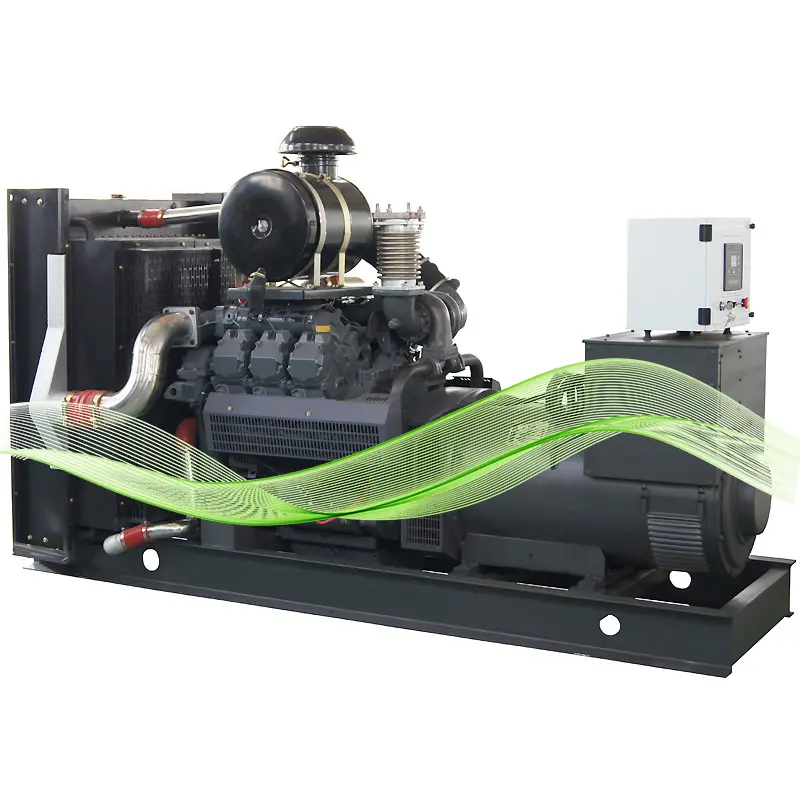
Understanding CE Certification for Gas Power Generators
Core Legal Framework: Machinery Directive 2006/42/EC and Pressure Equipment Directive 2014/68/EU
The CE mark basically tells everyone that a gas powered generator complies with all those EU safety standards for worker health and environmental protection. There are really two main regulations behind this compliance requirement. First up is the Machinery Directive from 2006 (number 2006/42/EC), which covers things like how well the machine is designed, what kind of protections it has built in, and whether it operates safely under normal conditions. Then there's the Pressure Equipment Directive dated 2014 (2014/68/EU) that specifically targets parts working at pressures over 0.5 bar inside them. This second directive makes sure materials can handle stress, structures won't fail unexpectedly, and nothing leaks where it shouldn't. Getting caught without proper certification isn't worth the risk either. Companies facing non compliance might end up paying fines upwards of $740k according to recent studies plus losing their ability to sell products anywhere within Europe. Before putting that CE sticker on anything though, companies need to do extensive risk assessments and create detailed technical files that get checked off by official EU approved testing organizations.
Critical Safety Requirements for Gas-Fueled Systems: Ignition Control, Ventilation, and Emission Limits
Gas-fueled generators introduce unique hazards requiring specialized safeguards beyond standard electrical or mechanical safety. Three foundational requirements are mandatory for CE compliance:
- Explosion-proof ignition systems, engineered to prevent unignited gas accumulation during startup and shutdown cycles
- Forced-air ventilation designed to maintain ambient methane or LPG concentrations below 25% of their respective lower explosive limits (LEL)
- Real-time emission monitoring, ensuring NOx outputs remain ≤150 mg/Nm³ in line with the EU Industrial Emissions Directive (2010/75/EU)
Failure in any of these areas invalidates CE certification. According to EU safety authorities, inadequate ventilation alone accounts for 37% of reported gas generator incidents. Maintenance logs documenting verification of these parameters—at commissioning and at regular intervals—are required evidence during conformity audits.
BV Certification: Technical Standards and Global Acceptance for Gas Power Generators
Key Standards Integration: IEC 60034-1 (Rotating Electrical Machines) and ISO 8528-1 (Reciprocating Engine Driven AC Generators)
Getting Bureau Veritas (BV) certified means following some pretty tough international standards for performance and safety. The main ones are IEC 60034-1 which deals with rotating electrical machines, and ISO 8528-1 that covers those AC generators driven by reciprocating engines. What these standards actually check is whether the insulation systems hold up, how well they handle heat when working hard for long periods, and their ability to respond quickly when loads change suddenly. Equipment that meets both standards can maintain very tight voltage control around ±1% even during sudden load shifts, plus keep total harmonic distortion below 5%. That makes such gear ideal for running delicate industrial automation systems, keeping data centers powered reliably, and supporting hybrid microgrid operations. Meeting these dual standards doesn't just reduce problems when integrating different components, it also means maintenance cycles can stretch out significantly longer too sometimes as much as 30% compared to equipment without this certification.
BV NR 271 & Marine/Offshore Specific Requirements for Gas Power Generator Installation and Operation
For marine and offshore applications, BV's NR 271 Rules for Gas-Fuelled Engines and Generators impose enhanced environmental and operational safeguards. Critical requirements include:
- Corrosion-resistant materials, such as stainless-steel fuel delivery lines and IP56-rated enclosures certified for continuous salt-spray exposure
- Redundant gas detection systems, triggering automatic shutdown at 20% LEL with independent sensor pathways
- Advanced vibration mitigation, using engine mounts engineered to absorb ≥95% of harmonic vibrations under Sea State 5 conditions (wave heights up to 2.5 m)
All installations must successfully complete a 72-hour continuous load test under simulated tropical cyclone conditions (55°C ambient temperature, 95% relative humidity). Certification is voided if seismic anchoring, emergency ventilation, or explosion relief provisions fail to meet NR 271 specifications—a leading cause of project delays in offshore wind farm commissioning.
Verifying Dual Certification: How to Confirm CE and BV Compliance for Gas Power Generators
Step-by-Step Validation Using Official Databases: NANDO for CE and BV Connect for Type Approval Records
When checking for dual certification status, start by looking at the European Commission's NANDO database. This will show if CE certificates are still valid for both Directive 2006/42/EC related to machinery and 2014/68/EU concerning pressure equipment. A good idea is to search using the notified body number to make sure they're still active and authorized. For those needing BV certification, the BV Connect platform works well to find type approval records against various standards. Think about ISO 8528-1 when dealing with generator performance issues and NR 271 for marine gas systems. Important thing here is matching certificate numbers exactly with the model designation and fuel type specified. Natural gas isn't the same as biogas in these cases, since the scope of certification doesn't transfer across different configurations. Getting this right matters a lot for compliance purposes.
Red Flags in Documentation: Spotting Invalid Certificates, Scope Mismatches, and Expired Validity Dates
When reviewing certification documents, watch for these high-risk indicators:
- Expired validity: 15% of non-compliant units inspected in 2023 were found operating under lapsed CE certificates (EU Market Surveillance Report, 2023)
- Scope mismatches: Certificates issued for diesel generators incorrectly applied to gas-fueled variants—especially common with retrofit conversions
- Unverified issuing bodies: “Notified body” numbers not listed in NANDO indicate unauthorized or fraudulent certification
- Missing test reports: Legitimate CE and BV approvals always reference traceable, dated test summaries (e.g., emission test reports, pressure vessel hydrostatic tests)
Always cross-check whether emission thresholds, safety interlocks, and environmental ratings align with the unit’s intended deployment context—marine, industrial, or emergency backup—as misapplication compromises both compliance and operational safety.
Top Dual-Certified Gas Power Generator Applications and Market Trends
Gas power generators that carry dual certification are showing up more often in places where strict regulations, reliable operation, and emission controls all matter at once. Offshore oil rigs and big container ships need these generators because they must follow BV's NR 271 safety rules for areas that are both corrosive and subject to constant vibration. At the same time, these machines also meet CE standards for controlling nitrogen oxides and preventing explosions. Land based factories are getting on board too. They install these units so production doesn't stop when there's a power cut from the main grid, all while staying within the limits set by the EU's Industrial Emissions Directive. For many businesses, this balance between compliance and continuous operation has become essential.
The market is growing fast these days because governments around the world are getting stricter about emissions rules, there's more money going into building infrastructure for clean energy projects, and cities are starting to adopt these technologies across their essential services. Think about places like hospitals that need reliable power, communication centers that keep our networks running, and those district heating systems that warm entire neighborhoods during cold winters. When these systems connect to smart monitoring platforms, they can actually predict when something might break down before it happens. This cuts down on unexpected shutdowns and saves a lot of money over time. The benefits are even bigger for locations that are tough to reach or far from main power grids. Take those research stations in the Arctic Circle where getting technicians out there takes weeks, or small islands with their own microgrid systems that need constant attention but have limited access to outside help.
FAQs
-
What is the CE mark for gas power generators?
The CE mark signifies compliance with EU safety, environmental, and health standards, primarily under the Machinery Directive 2006/42/EC and Pressure Equipment Directive 2014/68/EU.
-
Why is BV certification important?
BV certification ensures adherence to strict international standards, particularly IEC 60034-1 and ISO 8528-1, offering global acceptance and reliability.
-
What are the key safety requirements for gas generators?
Key safety measures include explosion-proof ignition systems, forced-air ventilation, and real-time emission monitoring, crucial for maintaining CE compliance.
-
How are dual certification statuses verified?
Use the European Commission’s NANDO database for checking CE certificates and BV Connect platform for type approval records of BV certification.
Table of Contents
- Understanding CE Certification for Gas Power Generators
- BV Certification: Technical Standards and Global Acceptance for Gas Power Generators
- Verifying Dual Certification: How to Confirm CE and BV Compliance for Gas Power Generators
- Top Dual-Certified Gas Power Generator Applications and Market Trends