
 EN
EN
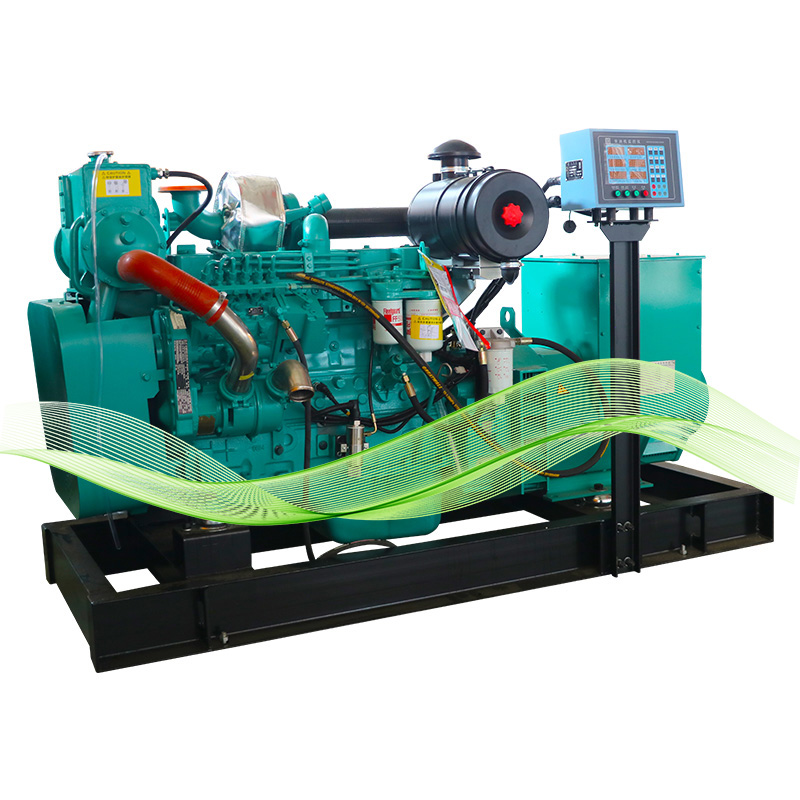
Core CCS Requirements for Diesel Electric Generators
The China Classification Society (CCS) mandates rigorous standards for marine diesel electric generators to ensure operational safety, environmental compliance, and reliability in harsh sea conditions. These requirements span technical specifications and formal certification processes—failure to meet them risks vessel non-compliance or operational hazards.
Technical Criteria: Engine emissions (IMO Tier II/III), alternator insulation class, and marine-grade protection (IP56+)
To meet environmental standards, generators need to follow either IMO Tier II or III NOx regulations. These set limits at around 7.7 grams per kilowatt hour for engines running above 130 revolutions per minute, and about 14.4 grams for those operating more slowly. This helps cut down on harmful emissions in designated control areas where air quality matters most. When it comes to alternators, they should have at least Class H insulation rated for 180 degrees Celsius thermal endurance. Salt filled air and moisture are major problems out at sea, often causing windings to fail if proper protection isn't there. For marine applications, equipment needs protection rated IP56 or better against dust and water intrusion. This level of protection means nothing gets inside from any direction, even when hit by strong water jets. Such safeguards are absolutely essential for keeping engines working properly over time in these harsh maritime conditions where everything tends to corrode faster.
Documentation & Testing: Type approval process, vibration/sound validation, and mandatory CCS Class Notation 'MG'
The approval process for manufacturers involves several stages starting with design reviews followed by checking prototypes, then factory audits, and finally performance tests in simulated ocean environments. When it comes to vibrations and noise levels, there are specific standards they must meet according to ISO 10816 which looks at vibration severity, and ISO 8528-9 that sets limits around sound pressure measurements not exceeding 75 dB(A) within one meter distance. These checks help ensure the vessel remains structurally sound while also protecting the well being of the crew onboard. After all these steps pass successfully, the Classification Society (CCS) grants what's known as the MG Class Notation. This certification basically means everything meets those special maritime requirements needed for ships operating worldwide.
Top CCS-Certified Diesel Electric Generators for Marine Use
A-WC63M: 63 kW diesel electric generator with full CCS certificate (CCS/ME/2022-XXXXX) and Tier II compliance
This 63 kW unit delivers stable power for mid-sized vessels while meeting IMO Tier II emissions and CCS’s marine environmental stress criteria—including salt spray resistance and shock-proof construction. Its integrated control panel enables real-time monitoring of voltage, frequency, temperature, and load, supporting safe operation during extended voyages.
A-C650: 650 kW dual-fuel—capable diesel electric generator with CCS-approved control system and auxiliary load certification
Built specifically for big commercial ships, the 650 kW generator works on dual fuel and meets CCS standards for backup power needs like navigation equipment, communication systems, and those vital emergency lights everyone forgets about until they need them. What makes it stand out is how smart the control system really is. It constantly tweaks the fuel mix so we stay within those strict IMO Tier III regulations but still keeps running efficiently enough to make sense financially. Maintenance folks will appreciate the modular design too. Getting into parts for repairs becomes much easier even when space is limited inside those cramped engine compartments. Plus, despite all this accessibility, noise levels and vibrations remain where they should be during normal operations.
A-RW25MS: 25 kW compact diesel electric generator featuring CCS-certified noise enclosure (≤75 dB(A) @ 1m) and vibration damping
This 25 kW generator works great for smaller boats and backup power needs. The sound level stays below 75 decibels at one meter distance thanks to its CCS certified noise control housing. Special hydraulic mounts keep engine vibrations from transferring to the boat's structure, which stops those annoying resonances that can wear out materials over time. Even though it's built to fit in tight spaces, the unit delivers consistent power to run navigation gear, lights, and critical safety equipment no matter how rough the seas get. Fishermen and recreational boaters have found it reliable during long trips where having dependable electricity makes all the difference.
How Leading Chinese Manufacturers Achieve CCS Certification for Diesel Electric Generators
Hosem Power, Weichai, and SDEC: Vertical integration of CCS-compliant engines, alternators, and marine enclosures
Chinese manufacturers like Hosem Power, Weichai, and SDEC have adopted vertical integration strategies to speed up their CCS certification processes. These companies design and manufacture everything from engines to alternators and marine enclosures themselves. This gives them better control over materials used, how things get welded together, and what tolerances are acceptable during assembly. All these aspects matter a lot when going through CCS's seven stage approval process. The whole package approach makes it much easier to meet strict standards such as those set by IMO Tier III for controlling NOx emissions, maintaining IP56+ protection against dust and water ingress, plus managing noise levels and vibrations. Companies report cutting down on certification times by around 40% compared to when parts come from different suppliers. There's less hassle dealing with multiple vendors too, which cuts down on delays and problems that often pop up when components don't fit together properly.
CCS vs. Global Certification Bodies: Implications for Diesel Electric Generator Approval
Choosing the proper certification route for diesel electric generators really affects how long projects take, what they cost, and whether they can actually get into markets. The China Classification Society handles approvals specifically in Chinese waters and some nearby ports. For most other parts of the world though, big names like DNV, ABS, and Lloyd's Register are the ones calling the shots on installations. This patchwork system means companies face tough choices when deciding where to focus their efforts. Some might spend extra money getting multiple certifications just to operate in different regions, while others might limit themselves to certain markets where compliance is easier to manage.
Key distinctions emerge across three dimensions:
- Mutual Recognition: CCS has bilateral agreements with only 13 classification societies (e.g., RINA), limiting cross-recognition. In contrast, IACS members generally accept one another’s certifications under unified guidelines.
- Technical Emphasis: CCS applies stricter scrutiny to IMO Tier III NOx monitoring and transient response thresholds, whereas global bodies emphasize redundancy, fault tolerance, and holistic system safety.
- Certification Costs: CCS’s domestic lab-centric model reduces fees by 15–20% versus third-party audits required by EU-notified bodies.
| Factor | CCS-Centric Approval | Global Body Approval (e.g., DNV) |
|---|---|---|
| Market Access Scope | China, ASEAN, limited EU ports | 150+ global jurisdictions |
| Retesting Required? | Often yes for non-partner regions | Typically waived under IACS agreements |
| Lead Time (Weeks) | 8–12 | 14–18 |
Multi flag vessels face extra expenses when dealing with both CCS and international certifications. Validation costs typically run somewhere between three thousand two hundred to four thousand eight hundred dollars per unit. But priorities vary depending on context. Coastal service boats generally get more value from CCS because it saves money and time. Ocean going ships need wider acceptance though, otherwise they risk getting detained at ports. One big headache continues to be how different organizations interpret IMO Tier III regulations, especially regarding those brief NOx spikes during operation. A generator that passes CCS standards might still fail ABS tests due to differences in measuring dynamic responses. Because of these issues, more and more fleet operators are choosing equipment that meets both sets of requirements even though it means spending more upfront capital.
Harmonization under IACS remains incomplete, compelling manufacturers to sustain parallel production lines and test protocols. When components like SCR systems lack unified certification, supply chain delays extend lead times by 19% for mixed-fleet operators—underscoring the operational value of early alignment with target classification society requirements.
FAQ
What are IMO Tier II and III NOx regulations?
IMO Tier II and III NOx regulations set emission limits for marine diesel engines. Tier II focuses on engines running above 130 revolutions per minute, while Tier III applies stricter controls especially in designated emission control areas.
What is the significance of IP56 protection?
IP56 protection level indicates that equipment is safeguarded against dust and strong water jets from any direction, crucial for marine environments to prevent corrosion and maintain reliability.
What is the MG Class Notation by CCS?
The MG Class Notation granted by CCS signifies that diesel generators meet special maritime requirements and are compliant with safety and environmental standards for global ship operations.
Why might manufacturers prefer CCS certification?
Manufacturers may prefer CCS certification due to lower costs with its domestic lab-centric model and faster approval processes compared to stringent global bodies.
What does vertical integration refer to?
Vertical integration involves manufacturers like Hosem Power and Weichai controlling all production stages from engine to marine enclosures, improving speed and quality of CCS certification.
What implications does the certification choice have?
The certification choice affects project lead times, costs, and market access. Companies may choose multiple certifications for wider market operations or focus on specific regions for ease.
Table of Contents
- Core CCS Requirements for Diesel Electric Generators
-
Top CCS-Certified Diesel Electric Generators for Marine Use
- A-WC63M: 63 kW diesel electric generator with full CCS certificate (CCS/ME/2022-XXXXX) and Tier II compliance
- A-C650: 650 kW dual-fuel—capable diesel electric generator with CCS-approved control system and auxiliary load certification
- A-RW25MS: 25 kW compact diesel electric generator featuring CCS-certified noise enclosure (≤75 dB(A) @ 1m) and vibration damping
- How Leading Chinese Manufacturers Achieve CCS Certification for Diesel Electric Generators
- CCS vs. Global Certification Bodies: Implications for Diesel Electric Generator Approval
- FAQ