
 EN
EN
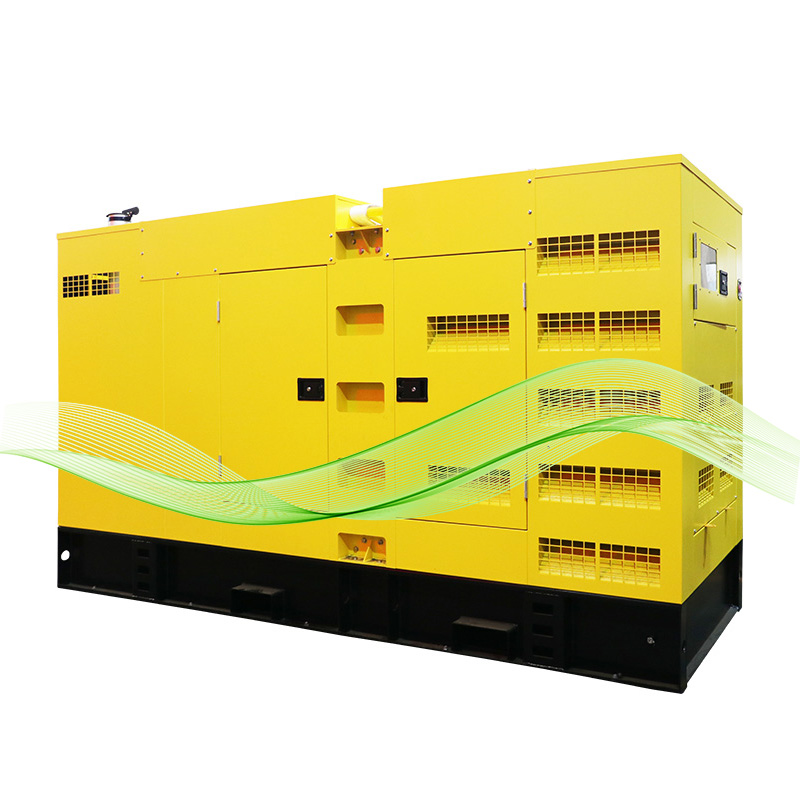
NFPA-Driven Acoustic & Reliability Requirements for Silent Diesel Generators
NFPA 99 and NFPA 110 Compliance: Defining Silent Diesel Generator Eligibility
The NFPA 99 code for health care facilities along with NFPA 110 standards for emergency power systems set specific requirements for emergency systems at level one. These systems need to achieve at least 97 percent start up reliability and reach full load operation within just ten seconds when needed most for life sustaining treatments. Although the main focus of these regulations is on how well power gets delivered, there's another important aspect that comes into play automatically acoustic control. Noise levels matter a lot in hospitals because loud generators can really slow down patient recovery times, make it hard for doctors and nurses to communicate properly, and generally create an environment that doesn't meet expectations for healthcare spaces. For a diesel generator to be considered truly compliant and silent enough, it needs good sound suppression features built right in without affecting how fast it starts up, accepts loads, or maintains reliable operation over time. Getting third party certification through tests that simulate actual power outages similar to what happens in real hospitals confirms whether these two requirements are met together. This ensures generators will work when needed and fit into the quiet atmosphere required in medical environments.
EPSS Classification (Type 10, Class X, Level 1/2) and Its Direct Impact on Noise Budgets
The classification system for EPSS (Emergency Power Supply Systems) actually sets limits on how much noise these systems can produce. When we look at Level 1 systems, which support life support equipment and critical care functions, they need more power capacity and respond faster than other systems. This usually means they create more background noise too. Take an ICU for instance. A Type 10 system that starts within 10 seconds and runs for 96 hours might produce around 85 decibels right at the source point. That's way above what's considered safe near patients. Hospitals have to manage this balance between reliable power and keeping things quiet. Most facilities stick to noise levels between 65 and 75 decibels measured at specific spots throughout the building. Getting there requires multiple approaches working together. Some hospitals install special acoustic canopies that soak up about a third to half of the high pitched sounds. They also use mounts that reduce vibrations from getting into building structures. And many have exhaust systems designed specifically to cut down on those deep rumbling noises. All these measures become even more important in city hospitals or buildings with limited space, since walls and ceilings tend to bounce sound around more, and patients are often right next door to these noisy generators.
Critical Silent Diesel Generator Features for Healthcare-Safe Operation
Sound-Attenuated Enclosures and Vibration-Isolation Mounts: Engineering Quiet Without Compromise
For healthcare facilities, silent diesel generators need to stay under 65 dBA at about 7 meters away, which is roughly the same volume as someone talking quietly in the next room. This level prevents disruptions to patient sleep patterns, medical monitoring systems, and overall clinical operations during nighttime hours. The acoustic enclosures used here are pretty sophisticated actually, mixing high density mineral wool with those special lead laminated barriers that really soak up all that mechanical noise right where it starts. And there's another trick too: vibration isolation mounts help separate the engine itself from the building structure. These mounts stop those annoying low frequency vibrations from traveling through walls and floors, something that could mess with MRI machines or just plain bother patients resting nearby. When everything works together properly, these generators keep their noise levels below 65 dB even when running at maximum capacity. Tests following ISO 8528 standards back this up, and hospitals often check against these specs because they're mentioned specifically in NFPA 110 Annex D for evaluating sounds in intensive care areas.
Tier 4 Final Emissions Compliance: Balancing Environmental Responsibility and On-Site Air Quality
The latest Tier 4 Final diesel engines cut down on particulate matter by around 90 percent and slash nitrogen oxide emissions by about half compared to what we saw before 2015 according to those new U.S. EPA standards from 2024. For hospitals especially, these reductions matter a lot since generator fumes frequently end up close to building air intake points, right next to rooftop heating systems, or even blowing through open windows. That kind of exposure creates serious breathing problems for people whose immune systems are already weak or for patients who are very sick. How do they work? Well, Selective Catalytic Reduction systems basically spray a solution of urea into the exhaust stream which turns harmful NOx gases into just plain old nitrogen and water vapor. Meanwhile, Diesel Particulate Filters trap all that soot stuff inside special ceramic materials and automatically clean themselves over time. These tech upgrades mean hospital generators can run day after day without constant monitoring during power outages, something that meets those tough Joint Commission requirements for safe environments and also keeps facilities from getting hit with fines in areas where pollution levels are already too high.
Selecting the Right Silent Diesel Generator: Sizing, Placement, and Validation
Getting the right size, putting equipment where it needs to go, and making sure everything works properly are all essential when setting up backup power systems for hospitals. Start with figuring out how much power is needed overall in kilowatts, then throw in about 25 extra percent just in case there are unexpected motor surges or if the facility grows later on. Not leaving enough capacity can lead to big problems when demand spikes unexpectedly. For permanent setups, space planning matters a lot. Make sure there's room for air to flow around the equipment, technicians need easy access for maintenance work, and don't forget those fire codes that dictate minimum distances from walls, doors, windows, and property boundaries. These details might seem small but they matter greatly in practice.
| Sizing Factor | Key Considerations | Calculation Approach |
|---|---|---|
| Connected Load | Sum all critical equipment (lighting, HVAC, medical devices) | Add nameplate kW values |
| Peak Demand | Include motor startup surges (e.g., elevators, compressors) | Add 25%-30% to base load |
| Future Expansion | Anticipate 5-year facility growth | Include 15%-20% headroom |
Validation confirms real-world readiness:
- Noise Testing: Verify ≤65 dBA at 7 meters per CPCB IV+ norms (or equivalent local regulatory standard)
- Emissions Certification: Confirm Tier 4 Final compliance via EPA-certified engine documentation
- ATS Integration: Test seamless, no-interruption transfer during simulated grid failure
- Fuel Runtime: Validate ≥48 hours of continuous operation at 75% load under ambient temperature extremes
Placement significantly influences both acoustic and operational performance:
- Maintain minimum 1-meter clearance around enclosures for thermal management and maintenance access
- Locate units away from air intakes, patient recovery zones, and exterior walls shared with quiet areas
- Install vibration-isolation mounts for upper-floor or rooftop placements to prevent transmission through building structure
FAQ
What are the NFPA requirements for silent diesel generators?
The NFPA 99 and NFPA 110 standards require these generators to achieve at least 97% start-up reliability and reach full load within ten seconds. They must offer sound suppression capabilities without compromising performance.
How can hospitals manage noise levels from diesel generators?
Hospitals can manage noise by using acoustic canopies, vibration isolation mounts, and exhaust systems, keeping levels between 65 and 75 decibels.
Why is emissions compliance essential for hospital generators?
Emissions compliance, like Tier 4 Final, is crucial to reduce pollutants impacting air quality, especially near air intakes and delicate patients.
What considerations are important for generator placement?
Placement requires clearances for thermal management and maintenance, location away from air intakes and sensitive areas, and installation using vibration-isolation mounts.