
 EN
EN
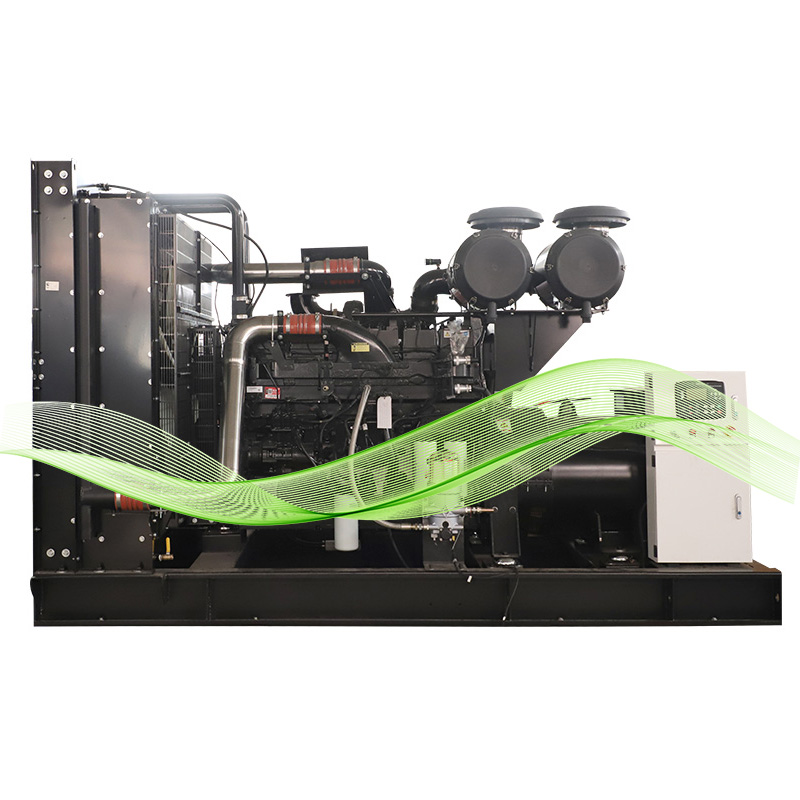
Perkins Generator Distribution Ecosystem: Authorization, Coverage, and Opportunity
Tiered Authorization Model: From Accredited Distributor to Regional Power Partner
Perkins has developed a tiered distribution system that works well in over 140 countries around the world. The basic level consists of Accredited Distributors who handle regular sales and get products into customers' hands. Moving up the ladder are the Regional Power Partners at the top tier. These partners offer complete support packages that include things like certified technical service, local training programs, application engineering help, and customized power solutions for specific markets. Companies can move between these levels based on several measurable factors such as how many customers they keep happy, how fast they respond to service requests, what percentage of their technicians have proper certifications, and whether their inventory is stocked and ready to go. For those in the highest tier, there are strict requirements too. They need to run ISO 9001 certified service centers, keep spare parts in stock that match regional needs, and hire Perkins certified technicians. This setup makes sure that when something goes wrong with infrastructure or the power grid fails unexpectedly, these partners can spring into action quickly.
High-Growth Markets for Perkins Generator Wholesale Expansion (Middle East, Africa, Southeast Asia)
Unstable grids combined with fast industrial growth are pushing companies toward better backup and hybrid power options across three major markets right now. Take Africa for instance, where around 600 million folks still don't have regular electricity according to the IEA report from last year. The industrial sector there plus telecom companies are behind an impressive 11% yearly increase in need for backup generators. Things look even bigger in Southeast Asia where factories keep expanding, leading to about 15% more diesel generators sold each year. These aren't just standalone units anymore either; they're getting connected into hybrid microgrids which means we need Perkins equipment that can scale up while meeting emission standards. The Middle East continues to be really important too, especially since governments in the Gulf Cooperation Council poured over $120 billion into infrastructure projects last year alone. Think about all those new data centers popping up, massive desalination facilities, and smart cities being built from scratch - every single one needs power systems that never go down. Want to succeed here? It's not enough to simply stock products somewhere nearby. Local supply chains matter a lot, having tech support staff who speak multiple languages helps customers fix problems faster, and keeping spare parts ready before someone actually needs them makes all the difference when operations can't afford downtime.
Wholesale Entry Requirements for Perkins Generator Distributors
Qualification Criteria: Financial Capacity, Technical Support Infrastructure, and After-Sales Capability
To get authorized as a Perkins distributor, companies need to show they can handle operations in three main areas. First comes financial strength, meaning they should have around half a million dollars in liquid assets on hand. This helps cover inventory costs, manage changes in seasonal demand, and keep the service department running smoothly. For technical support, Perkins wants to see certified technicians working in dedicated service spaces that can actually do proper diagnostics and emissions adjustments. Access to original equipment manufacturer tools and regular software updates is also important. When it comes to after sales, distributors must be able to handle warranty claims efficiently, offer round-the-clock remote support when problems arise, and meet specific service level agreements that match Perkins' global standards. These standards matter most in situations where failure isn't an option, such as backup power systems for hospitals or critical communication towers. Meeting these criteria doesn't just look good on paper it actually makes business sense by minimizing risks, keeping customers operational during emergencies, and protecting the company's reputation in industries where reliability means everything.
Order Minimums, Warranty Transfer Compliance, and Logistics Standards (ISO 9001/IEC 60034)
Strict operational rules apply when it comes to ordering: wholesale clients need to order at least five units each time they place an order. This helps maintain efficient production runs and keeps quality consistent across all factory outputs. When transferring warranties, there are specific Perkins guidelines that must be followed. We require proper documentation showing equipment was handed over to final customers, detailed records of how systems were commissioned, and proof that regular maintenance checks have been completed according to schedule. Logistics operations need to meet both ISO 9001 standards for quality management and IEC 60034 requirements regarding performance and safety for rotating electrical machines. That means using temperature controlled shipping containers, specially designed crates that absorb vibrations during transport, and storage facilities equipped with humidity monitoring systems. These measures protect against damage during transportation which is especially important for sensitive parts like electronic control modules and components related to emissions control. Generators will then work exactly as specified once installed at construction sites, mines, or telecom installations around the world.
Strategic Growth Models for Perkins Generator Wholesalers in Emerging Markets
Hybrid Deployment Case Study: Perkins Generators + Solar Integration in Kenya (with Renewable Partner)
In 2024, Kenya saw something pretty interesting happen thanks to collaboration between a Perkins Regional Power Partner and a local company that installs solar systems. They showed how Perkins generators can work together with solar power in places where there's no grid connection for telecom equipment. When they combined Perkins 400 series generators with solar panels and smart controllers that manage electrical loads, around fifty remote locations managed to cut down on diesel usage by about forty percent. Operational expenses went down thirty percent too, and most impressive of all, these sites never experienced any service interruptions even when sunlight was scarce for days at a time. The setup basically used solar power first whenever conditions were good, then switched to generators only when batteries got too low or clouds kept coming in. What makes this approach stand out is that it doesn't treat Perkins as just old fashioned backup power. Instead, it positions them as adaptable partners who bring digital capabilities to help transition towards cleaner energy solutions. This kind of system could actually be rolled out throughout East Africa for things like cell phone towers, food processing facilities, and small medical centers located away from major cities.
Balancing Diesel Demand and Energy Transition: Lessons from Asia-Pacific Renewable Partnerships
Distributors throughout the Asia Pacific region are moving away from just supplying diesel fuel toward forming partnerships that help with transitions. They're using Perkins generators as smart thermal anchors in their growing mix of renewable energy sources. Take Indonesia for instance. Many manufacturing plants there have started deploying Perkins units as what they call "grid-smart bridges." These run only when solar power gets cut back during monsoons or when wind turbines aren't producing enough during dry seasons. At the same time, these facilities integrate things like predictive maintenance systems, blend HVO and biodiesel fuels, and monitor emissions in real time. The results speak for themselves: around 25% less carbon emissions on average, generator service life extended by about 35%, and no interruptions in production schedules. What's really interesting here is that diesel isn't going away anytime soon. Instead, it's finding a new role as something controllable, used sparingly but reliably, which helps companies reduce risks associated with cutting carbon emissions in areas where electricity grids haven't caught up yet. This strategy fits well with government plans for achieving net zero emissions goals, all while making sure industrial clients don't lose money on their investments.
Risk Mitigation and Brand Integrity in Perkins Generator Wholesale Channels
Fake generators and parts slipping into the gray market are serious problems affecting not only profits but also safety standards, regulatory compliance, and what customers ultimately think about our brand over time. When components aren't properly verified, they can mess up emission levels, lead to breakdowns, and put distributors at legal risk. The counterfeit electronics market alone brings in around $10 billion every year according to OECD data from 2023. To fight back against this, Perkins has put several strict measures in place. We track products using blockchain technology right from production all the way to when someone actually installs them. All wholesale partners must meet ISO 9001 standards first before doing business with us. We conduct regular checks twice a year on service records and whether parts are genuine. Customers themselves can scan encrypted QR codes on parts to verify authenticity. Beyond stopping fraud attempts, these steps show we take operations seriously. Distributors who adopt our system see real benefits too. They keep customers coming back longer, deal with fewer warranty issues, and get early looks at new Perkins technologies as they develop. This approach turns good reputation management into something that gives businesses a real edge in the marketplace.
FAQ
What are the benefits of Perkins' tiered distribution model?
Perkins' tiered distribution model allows distributors to grow based on measurable factors such as customer satisfaction, response time, technician certification, and inventory readiness. It ensures rapid action when infrastructure issues arise.
Which regions are experiencing high growth for Perkins generator wholesale expansion?
High-growth regions for Perkins generator wholesale expansion include Africa, Southeast Asia, and the Middle East, driven by industrial growth and the need for reliable backup power solutions.
What qualification criteria must Perkins distributors meet?
Distributors must demonstrate financial capacity, technical support infrastructure, and after-sales capability, including liquid assets, certified technicians, and efficient warranty handling.
How does Perkins ensure product authenticity?
Perkins ensures product authenticity through blockchain tracking, ISO 9001 compliance, regular checks, and encrypted QR codes for customer verification, safeguarding brand integrity.
Table of Contents
- Perkins Generator Distribution Ecosystem: Authorization, Coverage, and Opportunity
- Wholesale Entry Requirements for Perkins Generator Distributors
- Strategic Growth Models for Perkins Generator Wholesalers in Emerging Markets
- Risk Mitigation and Brand Integrity in Perkins Generator Wholesale Channels