
 EN
EN
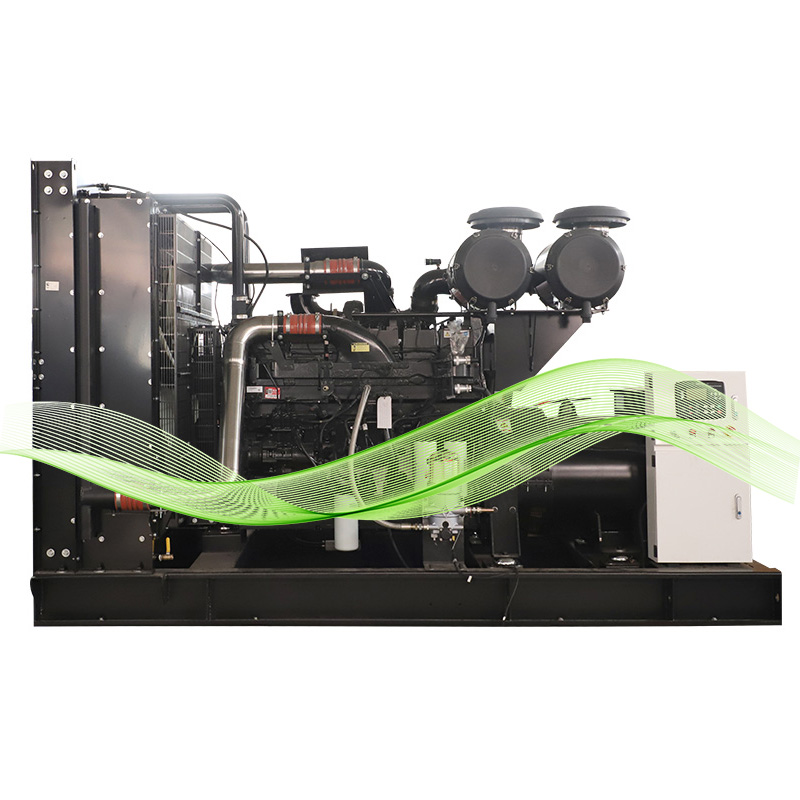
Understanding Industrial Load Requirements for Cummins Generator Sizing
Why Precision Load Assessment Is Critical for Industrial Backup Reliability
When backup power goes down at industrial sites, the fallout can be absolutely devastating. Manufacturing plants lose over $260k every single hour they're offline according to Ponemon's latest research from 2023. Take Cummins generators for instance - these machines have to handle some pretty tough situations, especially those sudden motor start-ups where electrical demand jumps anywhere between triple to six times what it normally runs at. Get the load calculations wrong and whole systems can crash as voltages drop dangerously low right when equipment needs power most. Imagine what happens at a semiconductor factory if those exhaust fans stop working during an outage? Toxic gases build up fast enough to require immediate evacuation of everyone on site. And let's not forget about the regulations either. The National Electrical Code specifically requires under Article 700 (as updated by NFPA in 2023) that emergency systems kick back online within just 10 seconds. That means installing generators that aren't properly sized isn't just against the law, it's also putting workers' lives at risk.
Key Metrics Beyond Nameplate kW: Starting kVA, Harmonic Distortion, and NEC Article 700 Compliance
Industrial generator sizing demands multidimensional analysis:
| Metric | Impact on Sizing | Compliance Threshold |
|---|---|---|
| Starting kVA | Determines surge capacity for motor loads | 3–6x running kW per motor |
| THD (Harmonics) | Prevents equipment damage from distortion | <5% (IEEE 519-2022) |
| NEC Article 700 | Mandates emergency load coverage | 100% critical load + margin |
When it comes to generator sizing, starting kVA is king. Take a typical 50 kW conveyor motor for instance it might actually need around 150 kVA when first turning on. At the same time, those fancy VFDs and computer gear we install these days create all sorts of harmonic issues that mess with clean voltage signals. That's where Cummins generators shine they have built in smart voltage control that keeps distortion below 2.5% total harmonic distortion, so nothing crashes in the control room and relays don't go haywire. The National Electrical Code isn't messing around either. According to NEC Article 700, emergency power systems must handle critical stuff like fire pumps, exit lights, and alarms without any performance drop off. Throw in an extra 25% capacity buffer and not only does this meet NFPA 110 standards for extended operation, but it also leaves room for whatever new equipment gets added down the road.
Comparing Cummins Generator Fuel Options for Industrial Standby Applications
Diesel vs. Natural Gas: Reliability, Availability, and NFPA 110 Compliance Considerations
When it comes to backup power options for industrial sites, facility managers need to decide between diesel and natural gas for their Cummins generators. Diesel stands out as the most reliable choice during power outages because it can be stored right on site. This matters a lot in places where winter freezes pipelines or seismic activity cuts off gas supply lines. Natural gas burns cleaner and generally costs less to run when there's good pipeline access nearby. Still, anyone who has dealt with frozen valves knows how vulnerable this option can be since it relies entirely on outside infrastructure. Both fuel types satisfy the NFPA 110 requirements for emergency systems, but diesel has one big advantage for indoor setups thanks to its higher flash point of around 60 degrees Celsius or more, which makes meeting fire codes much easier. Hospitals and data centers especially benefit from diesel's ability to take full load instantly without delay, something that can literally save lives in critical situations.
Fuel Storage, Runtime, and Environmental Trade-offs in Mission-Critical Facilities
For mission critical operations, there's always that tough choice between getting fuel where it needs to go and being environmentally responsible. Take diesel for example. It needs those expensive double walled storage tanks with spill containment areas, which can bump up installation costs anywhere from 15 to 30 percent. But what people love about diesel is that it gives around 48 to 72 hours of runtime from pretty small tanks thanks to its packed energy content. On the flip side, natural gas solves most storage headaches if it's coming through pipes. However, when we talk about compressed or liquefied versions like CNG or LNG, these require fancy and pricey cryogenic equipment. From an environmental standpoint, natural gas cuts nitrogen oxide emissions roughly in half compared to diesel, which fits nicely with current net zero goals. That said, methane escaping during extraction kind of cancels out some of those benefits. The good news? Companies like Cummins have developed Tier 4 Final diesel engines that tackle this issue with built in particulate filters. These engines slash soot production by about 90% while still providing that crucial power backup needed during extended outages lasting several days.
Top Cummins Generator Models for Industrial Backup Power
Cummins Centum Series (e.g., QSK23, QSJ5.9G): Scalable, UL 2200-Certified Standby Solutions
The Cummins Centum Series generators bring proven reliability to industrial operations across the board. Take models such as the QSK23 and QSJ5.9G for instance they can handle anywhere from 100 kW right up to 2 MW of power needs. What really stands out is their UL 2200 certification which means they meet tough safety standards required for backup power systems. This matters a lot in places like data centers or pharmaceutical manufacturing where electrical safety isn't optional at all. Arc flash protection becomes absolutely essential there. The great thing about this series is how it scales so well. Facilities often begin with something around 500 kW but can easily add more units together when business grows and power demands jump. Digital control systems built right in give operators instant insight into what's happening with the generator plus early warnings before problems arise. And let's not forget about noise levels staying below 80 dB(A) keeps things quiet enough to satisfy OSHA regulations without driving nearby workers crazy.
Real-World Performance: 1.2 MW QSK23 Deployment at Midwest Manufacturing Plant (99.98% Uptime)
An automotive parts plant in the Midwest managed to keep operations running at nearly 99.98% uptime for 18 straight months thanks to a 1.2 MW Cummins QSK23 generator. That means only about 1 hour and 45 minutes of downtime each year when the power grid fails. The system was put through its paces handling all those motor starts at once across their 47 CNC machines, keeping voltage levels stable within just a 1% range either way. Without this backup power solution, the company would have lost around $740k every single hour of production stoppage according to industry research from Ponemon in 2023. So why did this setup work so well? Let's look at the three main reasons behind this successful implementation:
- Harmonic filtering reduced THD below 5%, protecting sensitive automation systems
- Tier 4 Final engines met strict NOx limits during 72-hour endurance tests
- Dual-fuel readiness enabled automatic switchover to natural gas during diesel supply disruptions
Such performance demonstrates how precisely sized and configured Cummins generators directly mitigate revenue risk and ensure continuity in mission-critical manufacturing.
FAQ
Why is precision load assessment critical for industrial backup reliability?
Precision load assessment ensures that the generator can handle unexpected surges and maintain operation under varying conditions, which is essential for avoiding system crashes and complying with regulatory requirements.
What are the key metrics beyond nameplate kW for sizing industrial generators?
Key metrics include starting kVA, harmonic distortion (THD), and compliance with NEC Article 700 for covering emergency loads without performance drops.
What are the benefits of using diesel over natural gas for backup generators?
Diesel is more reliable for onsite storage and performs well during outages, especially in areas prone to pipeline disruptions. It also meets NFPA 110 requirements and supports immediate full load capacity, beneficial in critical situations.
What makes Cummins generators suitable for industrial backup power?
Cummins generators are renowned for scalability, UL 2200 certification, noise control, and advanced digital control systems that offer real-time insights and early warnings for optimal performance.
Table of Contents
- Understanding Industrial Load Requirements for Cummins Generator Sizing
- Comparing Cummins Generator Fuel Options for Industrial Standby Applications
- Top Cummins Generator Models for Industrial Backup Power
-
FAQ
- Why is precision load assessment critical for industrial backup reliability?
- What are the key metrics beyond nameplate kW for sizing industrial generators?
- What are the benefits of using diesel over natural gas for backup generators?
- What makes Cummins generators suitable for industrial backup power?