
 EN
EN
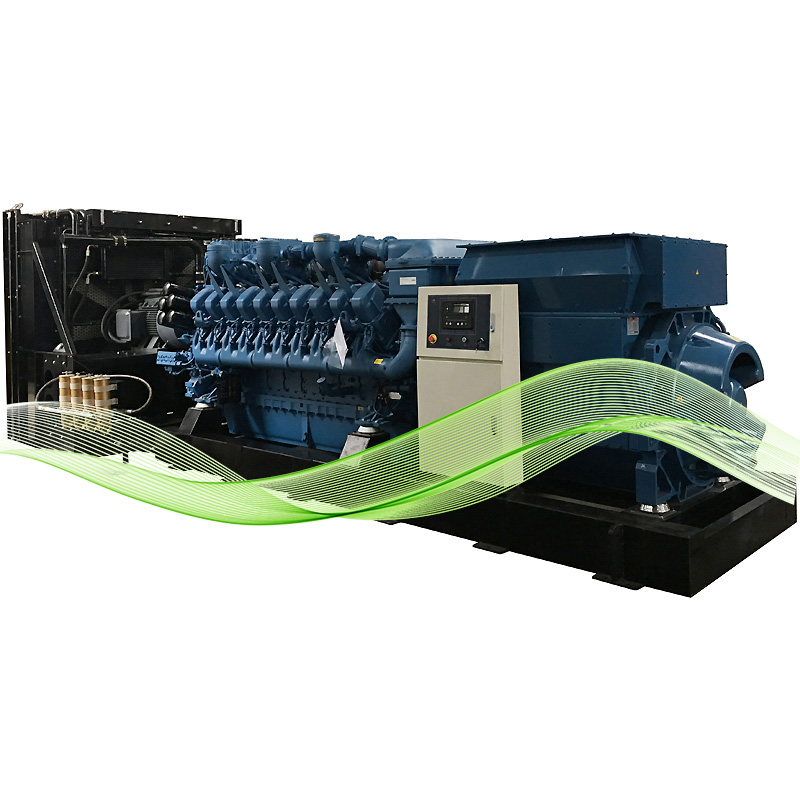
Acoustic Enclosures: Containing Noise at the Source
How soundproof enclosures and acoustic canopies achieve primary noise attenuation
When it comes to tackling diesel generator noise, soundproof enclosures and acoustic canopies serve as the primary barrier right at the source. These structures are constructed using thick, layered walls filled with materials designed to soak up sound waves. They work by trapping those annoying noises inside and letting them die down before they can escape into surrounding areas. The design includes special ventilation systems that maintain necessary airflow for keeping equipment cool while still messing with how sounds travel through the air. What makes these solutions effective is their ability to handle different types of noise at once - absorbing sharp mechanical clicks and clacks while also stopping deeper rumbling vibrations from passing through solid surfaces. In practice, this means generators that would normally blast out over 100 decibels end up running so quietly people barely notice them anymore.
Key insulation materials: mass-loaded vinyl, mineral wool, and constrained-layer damping in silent diesel generator design
Silent diesel generators rely on three key materials for their noise control capabilities: mass loaded vinyl (MLV), mineral wool, and constrained layer damping composites. The MLV functions like a dense wall between the generator and outside environment, stopping sound from escaping through metal panels. Mineral wool does double duty here too it keeps things cool while soaking up those middle range noises that come from within the unit itself. For the tricky vibrations that cause annoying ringing sounds, we turn to constrained layer damping composites. These clever materials actually take the mechanical energy from vibrations and turn it into almost nothing but heat thanks to special layers inside them. When all these work together, what happens? Well, MLV stops noise getting out, mineral wool handles the echoes bouncing around inside, and the damping stuff gets rid of that pesky ringing effect. The result is generators that operate below 70 decibels when measured just one meter away, which meets most industrial standards for quiet operation.
Exhaust and Intake Silencing: Managing Aerodynamic and Combustion Noise
Reactive vs. absorptive muffler technologies for diesel generator exhaust systems
The noise from exhaust systems comes mainly from combustion pulses and fast moving gas turbulence. There are basically two types of mufflers that work together to reduce this noise. Reactive mufflers have special chambers and barriers inside that bounce around and cancel out those lower frequency sounds between about 100 to 500 Hz. These tend to work really well for big diesel engines. For the higher pitched noises above 1 kHz, absorptive mufflers come into play. They use materials such as mineral wool or fiberglass which soak up these frequencies over a wider range. Today's quiet generators often combine both methods so they can tackle all parts of the exhaust sound profile. According to tests done in industrial settings, this combination approach can cut down noise levels by roughly 25 dB(A) while still keeping engine performance intact regarding backpressure and overall efficiency.
Airflow baffles and low-noise ducting: balancing silencing with thermal performance
Noise problems in intake systems happen when air speeds up as it moves through narrow spaces. Manufacturers tackle this issue by using special designs like maze-like acoustic baffles and ducts lined with materials that absorb sound. These typically include things like mineral wool or vinyl layers inside metal panels with holes. What these components do is basically turn sound waves into heat through friction, all while keeping the air flowing freely without blockages. Temperature control is also super important here. Engineers create buffer areas with vents and shape components using computer simulations so the air stays cool enough, usually under 65 degrees Celsius, which meets industry standards for running equipment continuously. Well designed systems can bring down noise levels to around 45 decibels at one meter distance, and still keep their cooling power intact for real world applications.
Vibration Isolation: Preventing Structure-Borne Noise Transmission
Anti-vibration mounts, inertia bases, and resilient couplings in silent diesel generator installations
Mechanical vibrations from rotating and reciprocating components become structure-borne noise when transmitted through rigid foundations or connected piping. Silent diesel generators deploy a three-tier isolation strategy to break these paths:
- Anti-vibration mounts, made from engineered elastomers, decouple the generator frame from its supporting surface;
- Inertia bases add mass to lower the system's resonant frequency well below operational RPM ranges;
-
Resilient couplings replace rigid connections in exhaust, fuel, and coolant lines to prevent vibration bridging.
This integrated approach reduces structure-borne noise transmission by 12–18 dB(A), converting vibrational energy into harmless thermal dissipation. Factory-installed systems leveraging this methodology consistently achieve near-background noise levels—even under full load.
Performance Validation and Regulatory Alignment for Industrial Use
Real-world noise reduction: from 105 dB(A) (open-set) to around 70 dB(A) at 1 meter for certified silent diesel generators
Tests in real world settings have shown just how effective complete noise suppression really is. Regular diesel generators without any sound dampening can blast out around 105 dB(A) right next to them, which sounds about as bad as standing near a roaring chainsaw. But when we look at properly certified quiet generators, they only put out around 70 dB(A) or less at that same distance. That drop of 35 decibels means almost all the noise gets absorbed, cutting down on what people actually hear by nearly 100%. What was once painfully loud becomes something much more manageable, similar to background chatter in an average office setting rather than industrial machinery screaming away.
Compliance with OSHA, ISO 22046, and EU Directive 2000/14/EC — why silent diesel generators support factory noise control mandates
Quiet diesel generators actually fit right in with most workplace and environmental noise rules. These units stay well below OSHA's 90 dB(A) limit for daily exposure, typically operating at around 70 dB(A) or less. That kind of quiet operation cuts down on the risk of hearing damage over time. Plus, they're designed according to ISO 22046 standards for backup power systems and also comply with EU Directive 2000/14/EC regarding outdoor equipment noise levels. All this regulatory alignment means fewer headaches when getting permits approved. Facilities can avoid those steep OSHA fines that can top $50k each time there's a violation. And beyond just avoiding penalties, these generators help protect workers' hearing while supporting broader sustainability initiatives across industrial operations.
FAQ Section
What are acoustic enclosures used for?
Acoustic enclosures are used to contain and reduce noise from diesel generators and other equipment by absorbing sound waves within their thick, layered walls.
What materials are typically used in silent diesel generator design for noise reduction?
Mass-loaded vinyl, mineral wool, and constrained-layer damping composites are key materials used for reducing noise in silent diesel generator designs.
How do reactive and absorptive mufflers work in reducing generator noise?
Reactive mufflers target lower frequency sounds, while absorptive mufflers soak up higher frequency noises, both working together to reduce overall exhaust system noise.
Why are silent diesel generators considered compliant with various noise regulations?
Silent diesel generators meet OSHA, ISO 22046, and EU Directive 2000/14/EC standards by operating at lower decibel levels, ensuring compliance with workplace and environmental noise regulations.