
 EN
EN
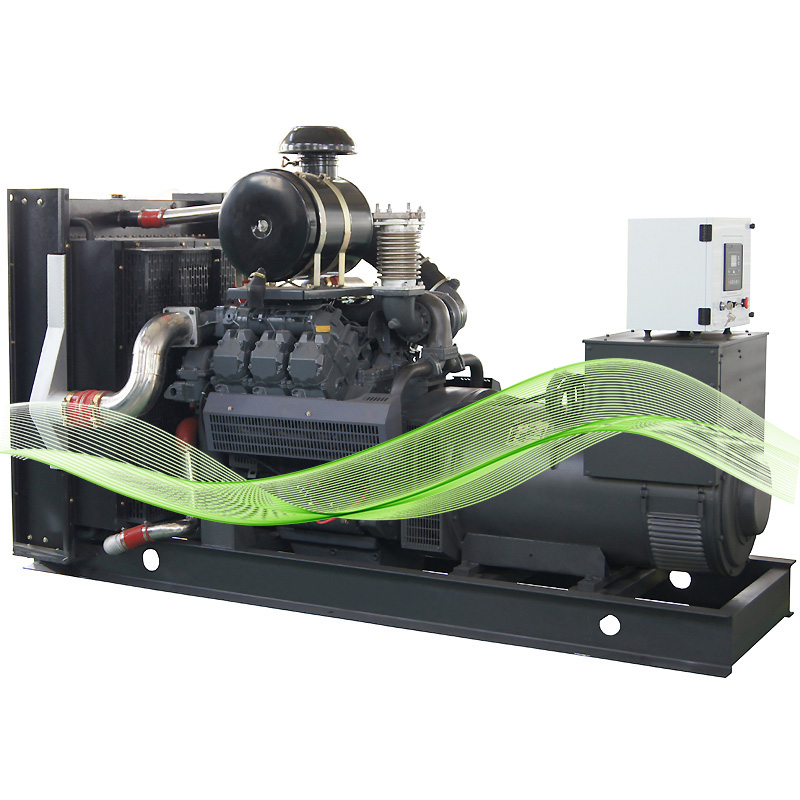
Why Standard Mobile Generators Fall Short on Construction Sites
Mismatched Load Profiles: Temporary Lighting vs. High-Startup Equipment
Most standard mobile generators get designed for consistent, stable power needs—not the wild fluctuations we see daily at construction sites. Take a look around: temporary LED lights might run at about 5 kW all day long, but throw in something like a concrete vibrator or welder and suddenly those same generators face power demands triple what they're rated for during short bursts. When this happens repeatedly, smaller generators end up working themselves into overloads again and again until they simply shut down automatically, bringing everything to a grinding stop. According to industry reports, roughly two thirds of unexpected generator breakdowns happen because these machines just can't handle the kind of workload variations they encounter regularly on job sites.
Peak Demand Surges and Continuous Duty Gaps in Real-World Site Operations
Standard mobile generators just aren't cut out for the unpredictable power demands of construction sites. When workers fire up several big tools at once like air compressors and cutting saws, the sudden surge in demand can knock voltages down so low that protective circuits kick in and shut things off. And then there's those times when nothing much is going on either. During site inspections, when materials arrive, or when crews take their lunch break, these generators sit around idling at under 30% capacity. That wastes fuel left right and center while wearing down engines and alternators faster than they should. Studies from equipment manufacturers indicate this stop-start pattern cuts generator life expectancy by roughly 40% compared to models specifically designed for construction work where power needs constantly change throughout the day.
Essential Customization Features for Construction-Grade Mobile Generators
Sound-Attenuated Enclosures and EPA/EU Emission Compliance for Urban Sites
The noise from standard portable generators often goes way beyond 85 decibels at just seven meters away - something that would drive anyone crazy living nearby, especially around schools or hospitals. Fortunately, construction quality generators come with special noise reducing casings that bring down the sound to around 65 dB, similar to normal talking volume between friends. This matters a lot when following city rules. Take New York for instance where they have a strict 45 dB limit after dark. Then there's the whole emissions issue too. Both EPA Tier 4 Final and EU Stage V regulations require fancy pollution control tech like diesel particulate filters and those catalytic reduction systems we all heard about somewhere. These upgrades slash nitrogen oxide emissions by almost 90% compared to older models from back in the day. Companies without these features face serious problems though. Fines can pile up to $10k per day and neighbors tend to get pretty upset, especially in big cities where air quality sensors constantly track what's going on outside their windows.
All-Terrain Mounting, Weatherproofing, and Compact Configurations for Tight or Remote Sites
Working in tough terrain means standard mobility just won't cut it anymore. Equipment needs something better when dealing with rough ground. Take those articulating wheel kits with hydraulic leveling systems for instance they keep machines steady even on slopes reaching around 15 degrees. And don't forget about the skid mounted versions which handle all those shakes and tremors that happen so often down in tunnels or mines. When it comes to bad weather, there's good reason why manufacturers specify NEMA 3R rated enclosures combined with IP55 components inside. These specs actually work to stop dust from getting in and water from seeping through during storms or when winds pick up strength. Space is another big concern these days. Modular units that stay below 2.5 meters in width can squeeze through tight spots where bigger machinery would get stuck. Plus, stacking battery hybrid configurations takes up roughly 40 percent less room compared to old fashioned diesel only systems. Makes sense really when thinking about limited workspace at job sites.
| Feature | Standard Generator | Construction-Grade Customization | Impact on Site Operations |
|---|---|---|---|
| Noise Output | 85—100 dB(A) | 65 dB(A) | Enables 24/7 urban work |
| Emission Standard | Tier 2 | Tier 4 Final / Stage V | Avoids regulatory shutdowns |
| Terrain Adaptability | Flat surfaces only | 15° slope capability | Reduces site prep time |
| Footprint | Fixed large size | Modular stacking | Fits confined spaces |
Hybrid and Off-Grid Integration for Reliable Power in Challenging Locations
Battery-Hybrid Mobile Generators: Reducing Fuel Logistics and Extending Runtime
Remote areas with poor infrastructure present real problems for regular diesel generators because getting fuel there reliably just isn't happening most days. The new battery hybrid mobile generators mix lithium ion batteries with traditional generator sets, which cuts down on fuel usage quite a bit when things aren't running at full capacity all day long. These smart systems handle the switching between power sources automatically. At night when workers need quiet around residential areas, the machine runs completely silent off batteries until it needs more juice, then the engine kicks in. What this means on site? Less time spent driving back and forth for refuels, which saves money and reduces pollution. Equipment operators get longer run times too, especially important for things like concrete vibrators that can't stop mid-job. And best of all, these units keep working even when there's no grid connection available or it makes sense to avoid using it altogether.
Installation and Operational Realities That Dictate Mobile Generator Customization
What really determines how we customize equipment isn't what looks good on paper but what works at actual job sites. When there's limited space for setup, regular generators just won't fit. We've seen cases where standard models take up 30% more room than available, which means waiting longer to get things running. For jobs out in harsh environments like coasts, mountains, or deserts, special housing becomes necessary. Saltwater corrodes metal parts over time, sand gets everywhere and wears down components, and thin air at high altitudes affects performance. Tools aren't always used continuously either. That's why many sites need generators that respond quickly when demand spikes, preventing them from sitting idle most of the time. And if the equipment moves frequently between locations, reinforced lifting points and better shock absorption become essential. Cities bring their own challenges too. Noise regulations typically cap sound levels at around 65 decibels near property lines, so basic enclosures just don't cut it anymore. Some operations run far from fuel stations, making bigger tanks or solar power additions worthwhile investments. These real world factors explain why nearly four out of five construction managers say site conditions drive most on-site generator changes instead of sticking with what manufacturers recommend.
FAQs
What are the main shortcomings of standard mobile generators on construction sites?
Standard mobile generators are often unable to handle the fluctuating power demands and peak surges common on construction sites. These equipments tend to shut down under overloads and waste fuel during idle times.
Why is noise reduction important for construction-grade mobile generators?
Noise reduction is crucial, especially in urban settings, to comply with local noise regulations and maintain a quieter work environment around residential areas, schools, and hospitals.
How do battery-hybrid mobile generators help in remote areas?
Battery-hybrid generators reduce reliance on fuel logistics by mixing lithium-ion batteries with traditional generators, offering quieter operation and longer runtimes, especially useful in areas with poor infrastructure.
What affects the customization of mobile generators?
Customization is influenced by site conditions such as limited space, harsh environmental factors, and specific operational needs, rather than just standard recommendations.