
 EN
EN
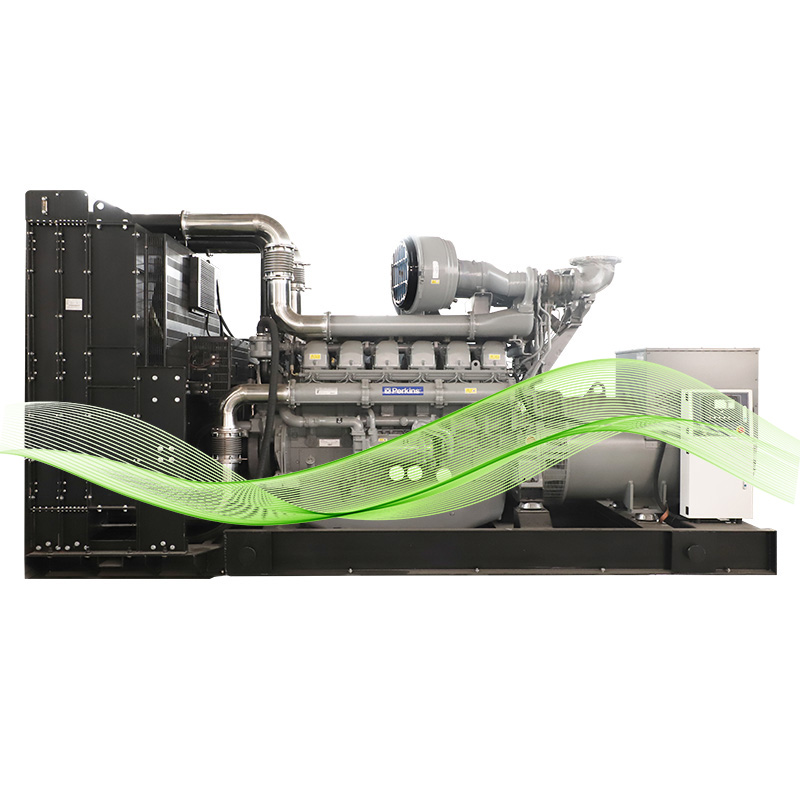
Неге Цех Мүйөштөрү Жумшалган Дизел Генераторлорунун Арнаулуу Түрлөрүн Талап Кылат
Коноктошколордо түз жөнөкөй генераторлор колдонгондо чыбыр кыймылы менен бирге энергия сапатына байланыштуу кыйынчылыктар туулуп турат. Бир убакта иштеп турган CNC-токардык станоктор, адатта, 65 децибелге жетип, электр дарбазалары 75 dBдан ашып кетет, андан соң бул баардык чыбыр кыймылдар биримдикке кошулат. Ошондой эле абдан так кубат колдонуу керек болгон өзгөчө техникалык жабдуулар бар. Стандарттык генераторлор өздөрү да башкаларга караганда татаал, алар электр интерференциясын көптөгөн жолдор менен таратат. Мунун ордуна, ызы-чуураксыз дизелдүү генераторлор колдонулат. Бул генераторлордо чыбыр кыймылды 20–30 dBга чейин кыскартуучу ички жабдуулар бар, ошондой эле колебанияны 0,5 пайыздан ашпай кармоочу жогорку сапаттагы кернеу контроль системасы бар. Натыйжада тактык маанилүү болгон жайларда OSHAнын 55 dB чеги ичинде иш аймактары калат, ал эми кубаттын теңсиздигинен техника бузулуп, баш агрысы пайда болбойт.
Сындай, тургундук жана ылайыктуулук: ишканалардын ишенимдүүлүгү үчүн керектелбес үч фактор
Бүгүнкү күндөрдө жакшы сындай башкаруу чыныгында маанилүү. «Journal of Occupational Safety» журналынын жаңы изилдөөлөрүнө караганда, 75 децибелден жогорку дааваз болгон чөйрөдө иштеген адамдар техникалык иштеринде көбүрөөк каталышып турат. Дагы бир маселе — электр тогунун тургундугу. Аба компрессорлору көтөрүү техникасы менен бирге иштегендей оор машиналар бир эле учурда көп иштеп жатканда, токтун талабы нормадан кыйла жогору, системанын долбоорлоого карата үч эсе чейин жетүү мүмкүн. Мундай ашыкча жүктөм кымбатка салган үзүлүштөргө жана техниканын бузулуштарына алып келет. Акыр-аягы, ишкана шарттарына ылайыктуулугун камсыз кылуу жабдууларга бузулуш же коопсуздук маселелерин тудурган башка иш жайындагы коркунучторго чыдамдуу болушка жардам берет.
- Металл тозоуну фильтрлей турган бөтөлмөлөрдүн буталышы
- Болттордун чарчоосун алдын алуу үчүн вибрациядан изоляцияланган таянычтар
- Химиялык әсерге каршы коррозияга төзүмдүү каптоолор
Бул таянычтар стандарттук бирдиктердеги кичине суу менен салттамага ылайыксыз коргоодо пайда болгон 68% ийгиликсиздикти жоюп салат.
Иштеүү үлгүсү: Автомобильди ремонттоо дүкөнү ISO сертификатталган ыкчам дизел генераторун колдонуп, шамалдуулугу 78 дБ(А)дан 52 дБ(А)га чейин азайтты
Огайо штатындагы кичинекей гараждык операциялар 78 дБ(А) чамалуу өлчөмдөгү тоскоолдук чыгарган эски генераторду ISO 3744 стандарттарына ылайыктуу жаңы үлгү менен алмаштырды. Жаңы үнсүз дизелдик генератор көршүндө иштеп жаткан механиктердин жавасынан дагы тынч болгон 52 дБ(А) деңгээлинде үн азайтат. Кошумча 26 децибелди жок кылуу техниктерге туруктуу фондук үнсүз компьютерди диагностикалоодо наадандык окуяларга туш болуп турган окуяларды бүтүнүлөй жок кылды. Бир убакта эле электр тогунун туруктуулугу да жакшырган. Кернеенин теребүүсү плюс-минус 5% ден плюс-минус 0,8% ге чейин төмөндөгөн. Бул бир нече аспап бир убакта иштегенде гидравликалык көтөрүүчүлөрдө кездешкен кыйынчылыктарды жоюп салды. Жогорудагы жаңыртуулардын баары 14 ай ичинде үнсүздүк үчүн керектүү кошумча каражаттарга жана кымбат электрондук жабдуулар боюнча кепилдик боюнча айыптардын азайышына жетиштүү чыгымдарды камсыз этти.
Чын дүнийд тынчтыкты баалоо: Себеп рейтингдери, стандартдар жана ишканаларга мүнөздүү чегиништер
ISO 3744 менен ISO 8528-10 арасындагы айырмачылыкты түшүнүү — ишканага 'тигилген' деген эмне маани берет
Түрдүү машиналарда жана муражайларда 'тигилген' деп белгиленүү бирдей эмес. ISO 3744 стандарты адамдын машиненин жанында иштеп жатканда насылуу дауылдуу болушуна карайт, мындай жерлерге көңүл бурулат. Башка тараптан алганда, ISO 8528-10 бүтүн буюнчу чыгып чыккан жалпы үн чыгарууну өлчөйт. Бул ишканалардын ээлери үчүн чоң мааниге ээ. Мисалы, ISO 8528-10 стандарты боюнча 65 дБ(А) деңгээлиндеги компрессорду карасак. Булагынан жети метр алыстыкта өлчөгөндө, ал көбүнчө 58 дБ(А) чегинде болот. Бул айырма шаардын үн катуулук чегине баш ийүү үчүн абдан маанилүү. Жашоо жана коммерциялык аймактарына тийештүү аймактарда орунлашкан көптөгөн өндүрүш ишканалары жергиликтүү нормаларга каршы келбеө үчүн бул сандарды түшүнүү керек.
Чөйрөнүн түбөлүк сыбырларынын стандарттары: CNC кесүү (65 дБ), буюмдардын жакшыруу аймагы (75+ дБ) жана так монтаждоо аймактары (<55 дБ)
Цехтеги сыбыр деңгээли аймакка жараша эле өзгөрөт:
- CNC кесүүдө орточо 65 дБ(А) (BMC Public Health, 2025)
- Жакшыруу аймактарында 75 дБ(А) ашат
- Так монтаждоо 55 дБ(А)дан төмөн чөйрө талап кылат
Мындай стандарттарга жараша генератордун сыбырын тандоо кедергисиз иштөөгө мүмкүндүк берет. Мисалы, 65 дБ(А)лык CNC аймагында 62 дБ(А) чыгараткан генератор кабыл алынат — бирок ушундай эле генератор 55 дБ(А)лык калибрлеү залына бозгонот. Эң тынч аймагыңыздын порогунан кеминде 10 дБ төмөн болгон генераторлорго басым коюңуз.
Сиздин Үнсүз Дизел Генераторуңузду туура Өлчөө: Цехтеги жүктөмдүн профилдерине жараша кубатту тандоо
Ишканалар үчүн ишенчтүү иштөө жана жакшы отун экономиясын камсыз кылуу үчүн туура өлчөмдөгү генераторду тандоо чоң мааниге ээ. Генераторлор чоң талап кылынган учурда кичине болуп калса, алар күчүн жеткеришпей, убакыт өткөн сайын сезимтал жабдыктарга зыян келтирген керемет кернеенин түшүшүнө алып келет. Башка тараптан, бирок, башынан ашыкча чоң генераторлор да жаман. Чоң генераторлор зарылдан 15–30 пайызга жогору жактын кошумча отунун жаат. Алар дагы капаситеттин төмөнүндө туруктуу иштегендиктен, тез изилеп калат. Бул жанбаган отун иштетүү системасына жыйналып, вет стекинг деп аталган кубулушту түзөт. Натыйжада? Өнөр жай колдонулушунда кэзде 40 пайызга чейин көбүрөөк техникалык кызмат көрсөтүү керек болот. Ашыкча же жетишсиз кубаттуулуктун ортосундагы туура тепкичти табуу акчаны утурга салып, кийинчерээк баш каттарынан коргоно турган бардык бизнес үчүн маанилүү.
Кернеенин түшүшүн жана отундун чыгымын болотконго каршы: Кичине же чоң тандоонун риски
Цехтарга туура генератордун өлчөмүн тандаш керек болгондо, алар ириң менен катуу ортосунда калышат. Эгер генератор башында кичине болсо, бир нече машиналар бир убакта иштеп калганда кернеши төмөндөйт, ал эми бул так жабдууларды толугу менен токтотуп калат. Болгону чоң болушса, генератордор регулярдуу иш вахталарында 30% гана пайдаланылып, көбүнчө мүмкүнчүлүгүнө караганда аз иштейт. Бул отутуу акчасын кыйратат жана убакыт өткөн сайын двигателдин бөлүктөрүн зарарлоочу карбондук калдыктарды пайда кылат. Көптөгөн дүкөн ээлери болжолдоо моделдерин колдонуу жөнөкөй баамдоого караганда өлчөмдү белгилөөдөги каталарды 40% кыскартышын билдиришти. Ишкерлердин көбү бул нарын так жана тийиштүү анализге компьтерди колдонушу түшүнүктүү.
Жүктөм профилин картоографиялоо: Сменалар боюнча эң жогорку, даражасыз жана сүргү талаптарын тартуу
Тууралуу электр энергиясынын пландоосу операциялык циклдар боюнча үч жүктөм түрлөрүн документке түшүрүүнү талап кылат:
- Чыңалуу чеги : Эң жогорку бир убакта алынуучу (мисалы, CNC + компрессор иштеп чыгуусу)
- Туруктуу жүк : Туруктуу иштөөдөгү негизги тайымалдоо
- Күрсөткүчтөрдүн көбөйүшү : Моторлор же электр дарбазаларынан улам пайда болгон убактылуу чыңалуу чыңалыштары
Цехтор сменалар боюнча саатына тайымалдоону бекемдешет, ийнеткич дарбазаларга 200% рейтингдеги кубаттуулук керектигин эскертет. Бул маалымат генераторго чамалоодон сактап, кийинкири аспаптарды масштабталган электр энергиясы чечимдери менен кошушуна мүмкүндүк берет.
Жабык ыкылык дизелдик генераторлордогу жылуулукту башкаруу: Акустика жана суу салкындатууну теңдештirүү
Жылуулук менен чектөө №1 иштеп чыгыш себеби — Неге цехтардын 68% ыкылык дизелдик генераторлорунун иштен чыгышы жылуулукка байланыштуу
Цехтердеги ыкчам дизелдик генераторлор көбүнчө ички температура чектөөгө байланыштуу иштен чыгат, бул жылуулук көтөрүлгөндө автоматтык түрдө кубатту кыйсырт. 2023-жылкы сектордук маалыматтар бул окуянын үчтөн эки жолу боло турганын көрсөтөт. Проблема ички температура нормадан ашканда башталат, ал ылдыйлык CNC устуралары сыяктуу сезимтал жабдууларды бузуучу кернеу маселесин тудурат. Жылуулук бөлүкмөлөргө да зыян келтиреди. Альтернаторлор жана чыгаруу системалары жылдырык жерлерде жумшак болгондо жылдыздан 30–40% кыскараак иштей алышат. Ага жетиштүү ауа айлануусу жок цехтер өзгөчө коркунучтуу, анткени каптамалар чыгарылган жылуулукту сыртка чыгаруу ордуна ичине камап калат. Бул кыйынчылыктардан качуу үчүн акылдуу менчик ишканалар температураны мониторлоо системаларын орнотушат жана керектүүсүнөн ашыкча суутунду кубатту коюшат. Бул кичинекей токтоолорсуз узакка созулган иш убактысында иштердин үзгүлтүксүз өтүшүн камсыз кылат.
Акустикалык-термалдык соода: радиатордун аба агымынын ылдамдыгы менен үндү басаңдатуучу чатырлардагы баффл тыгыздыгы
Муздатуу системасын бузуп албаган тынымдуулукту орнотуу үчүн техникалык кылдаттык талап кылынат. Жогорку тыгыздыктагы акустикалык баффлер ызы-чууну 58 дБ ((А) азайтат, бирок радиатордун аба агымын 25% га чейин чектейт, жылуулуктун көбөйүү коркунучу бар. Ал эми аба агымынын ылдамдыгын биринчи орунга коюу үн өткөрбөстүктүн натыйжалуулугун төмөндөтөт. Азыркы замандын чечимдери бул чатакты төмөнкүлөр аркылуу тең салмакташтырат:
- Лабиринттик каналдардын түзүлүшү үндү сиңирүүчү жыланча жолдор аркылуу абаны түртүү
- Өзгөрүлмө ылдамдыктагы күйөрмандар реалдуу убакыт жылуулук сенсорлорунун негизинде аба агымын жөндөө
- Сценарийдик чаташтыруу радиаторлордун жанындагы сейрек катмарлары жана башка жерлердеги тыгыз секциялары бар
Бул оптималдаштыруу ызы-чууну 65 дБ (А) нын ылдыйкы чегинде кармап, кадимки корпустарга караганда 15% көбүрөөк жылуулукту бөлүп чыгарат. Мастер-класстар бирдиктерди тандоодо ISO 3744 ызы-чуу көрсөткүчтөрүн жана жылуулук көрсөткүчтөрүн текшериши керек.
Орнотуу, вибрацияларды көзөмөлдөө жана тейлөө
Тынч дизелъ генераторди орнотуу, шамалдуу кылуу, жабдыктын иштөө мөөнөтүн узартуу жана цех аймагындагы коопсуздукту камсыз кылуу үчүн туура эмес болуп саналат. Биринчи кезекте титирдөөлөр менен шугулданыңыз. Күч туташтыруу же резиналык паддарды колдонуу конструкциялык түрдө таралган ынгайсыздыкты 80% чейин камтыйт, бул биздин өнөр жай стандарттарыбызга ылайык. Бул CNC машинелери сыяктуу тургундуу шарттарды талап кылган сезимдуу жабдыктарды титирдөөнүн таасиринен сактайды. Мүдөөлүү түрдө орнотуу үчүн генератор үчүн мыкты бетон негизин алган абдан маанилүү. Негиз генератордун өзүнүн салмагынан жарым эсе көп салмактуу болушу керек. Бул кошумча масса дубалдар менен табандар аркылуу таралган төмөнкү жыштыктагы ынгайсыздыкты жутулат. Дагы бир маанилүү жак - регулярдуу техникалык кызмат көрсөтүү, анткени ар бир цех өзүнүн белгилүү коркунучторуна ээ.
- Металл бозо айланасындагы иштеп турганда жумушчулуктун ай сайын май/фильтр алмаштырышы
- Ағач иштетүү цехиндеги чопондон улам блоктолууну болгоно үчүн аба куюлуусун 3 ай сайын текшерүү
- Чыгыш коллекторундагы ысык нукталарды аныктоо үчүн жылыткыч көз кара көз маслихатын 6 ай сайын жүргүзүү
Бул талаптарга карап турбасак, иштетүүдөн баш тартуу ыктымалдуулугу 68% га чейин көтөрүлөт (Ponemon Institute, 2023). Канопилердин айланасында абанын агымы жана сервистик кирүү үчүн ар дайым 3 фут (0,9 метр) боштук сакталсын, компоненттердин тозушун болжолдош үчүн жүктөм профилдерине карата иштөө убактысын каттоо керек.
ЖЧК
Цехта ызы-чуу сулгандардын негизги пайдасы эмне?
Ызы-чуусуз дизел генераторлору шамалдуу иштөө шарттарын камсыз кылат, ал эми туруктуу электр камсыздоосу кубаттын туруксуз теребелешинен келип чыккан жабдыктардын бузулушун минималдаштырат.
Цех үчүн генератордун туура өлчөмүн кантип аныктоого болот?
Чыңалуу чегин, үзгүлтүксүз жүктөм жана сүйрөлүш талаптарын эске алып, цехиңиздин жүктөм профилин талдоо. Болжолдоо моделдери генератордун өлчөмүн туура тактабоодо катачылыктарды болгоно үчүн жардам берет, генераторуңуз аздык же көптүк болбоосуна камсыз алуу.
Жылуулук менен башкаруу генератордун иштешине кандай таасир этет?
Туура жылуулук менен башкаруу ашыкча кыздырылып калуудан жана вольттун бузулушунан, ошондой эле генератор компоненттеринин убактысынан мурда изилеп калуусунан сактайды. Ал ызынчыктырбестүүнү жана суутунун эффективдүүлүгүн баланста кармоого тийиш.
Мазмуну
- Неге Цех Мүйөштөрү Жумшалган Дизел Генераторлорунун Арнаулуу Түрлөрүн Талап Кылат
- Чын дүнийд тынчтыкты баалоо: Себеп рейтингдери, стандартдар жана ишканаларга мүнөздүү чегиништер
- Сиздин Үнсүз Дизел Генераторуңузду туура Өлчөө: Цехтеги жүктөмдүн профилдерине жараша кубатту тандоо
- Жабык ыкылык дизелдик генераторлордогу жылуулукту башкаруу: Акустика жана суу салкындатууну теңдештirүү
- Орнотуу, вибрацияларды көзөмөлдөө жана тейлөө