
 EN
EN
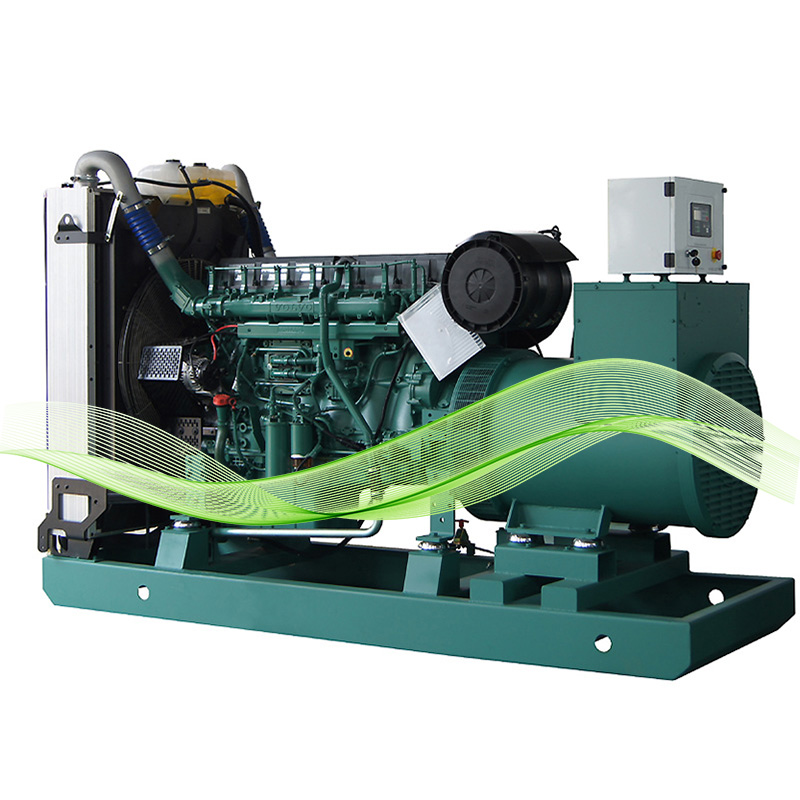
Core Noise Reduction Technologies in Silent Diesel Generators
Acoustic enclosures with multi-layer damping materials (e.g., DCAM)
Quiet diesel generators meet city noise regulations thanks to special enclosures made from composite acoustic materials. The design typically features three main components. First, there's a thick steel outer layer that stops most of the airborne noise from escaping. Then comes DCAM material which is great at soaking up those middle range engine noises we all hate. Finally, there are these porous polymer sections that handle the higher pitched sounds. Putting all these together cuts down on noise levels by around 15 to 20 decibels when compared to regular generators without shielding. What's interesting is how they manage heat too. The airflow channels are carefully designed so the generator stays cool even though it's wrapped up tight, making sure both temperature control and noise reduction work hand in hand.
Vibration isolation systems and structural decoupling for urban compliance
The way vibrations travel through buildings plays a big role in how noisy cities feel, particularly when industrial equipment connects directly to structural elements. Modern vibration control solutions stop this energy from spreading by employing several techniques: rubber and spring mounts placed between engines and their frames, flexible connectors for exhaust pipes and wiring, plus special floating bases that cut off resonance from the ground itself. Pairing these methods with soundproof enclosures helps meet those tough city noise regulations, like keeping decibel levels below 65 dB(A) right at property lines. This combination becomes absolutely necessary whenever machinery needs to operate close to sensitive locations such as medical facilities, educational institutions, or neighborhoods where people actually live.
Integrated Exhaust and Airflow Silencing for Urban-Ready Performance
Low-backpressure mufflers and resonant exhaust silencers
The exhaust system is responsible for around 45 percent of all noise produced by standard diesel generators, which makes it the main focus when trying to control generator noise levels. Today's quiet models incorporate multi stage muffler designs that mix both reactive chambers and tubes filled with glass fiber material to tackle those really annoying frequencies between 250 and 1000 Hz that people find particularly bothersome. These special silencer systems can cut down exhaust noise by approximately 20 decibels without creating too much backpressure (less than 1.5 kilopascals pressure loss) so there's no impact on how well the engine runs or how efficiently it burns fuel. Made from special high temperature alloys, these components handle ongoing exposure to exhaust gases reaching temperatures as high as 650 degrees Celsius and also stand up against damage caused by acidic condensation buildup over time.
Intake silencers and aerodynamic airflow management
Noise from intake systems comes mainly from turbulent air movement and pressure changes inside the engine compartment. To handle this problem, engineers often install multi-chamber silencers that have complex internal paths covered in heat resistant acoustic foam material. These devices typically reduce noise levels by around 15 to 18 decibels at the source. Using computational fluid dynamics helps designers tweak the shape of air inlets so they produce less turbulence noise while still getting enough airflow for proper engine operation and cooling needs. The design improvements also help eliminate those annoying high pitch whistles above 2000 Hz by making sure air flows smoothly across surfaces. Some systems even include special Helmholtz resonators built right into the housing to target and cancel out particular unwanted frequencies. All these measures ensure that engines meet city noise regulations staying below 65 decibels measured at seven meters away from the source, all while keeping the engine running properly.
Urban Deployment: Meeting Regulatory and Operational Demands
Compliance with noise ordinances in residential, healthcare, and mixed-use zones
When putting silent diesel generators into city environments, they need to follow local noise rules that vary from place to place. For regular neighborhoods, most areas set daytime noise caps around 65 decibels according to those WHO recommendations from 2021. But hospitals and places where people live and work together usually have tighter controls, sometimes needing levels under 60 dB to keep things quiet enough for patients resting or students studying. The built-in sound control tech helps meet basic requirements, but what actually happens on site depends on lots of different things. How reflective buildings are, how far away nearby buildings stand, whether the ground absorbs sound well, and even which way the generator faces all matter a lot. That's why many experts suggest running some acoustic simulations before installing anything, just to make sure everything stays within acceptable noise boundaries once it's up and running.
Case considerations: compact footprint vs. acoustic performance trade-offs
Space limitations in cities often mean designers have to choose between how much area something takes up versus how well it controls noise. Equipment smaller than 2 square meters can fit into really cramped spots like rooftops with mechanical equipment or below ground parking areas, but these compact units typically don't perform as well acoustically because there's just not enough space inside for proper sound absorption materials or baffles that work best when given room to spread out. Bigger enclosures tend to give engineers more options for creating multiple layers of sound dampening, longer paths for noise to travel through before escaping, and better ways to isolate vibrations from surrounding structures. Sometimes simple fixes make a big difference too. Moving exhaust vents so they face away from buildings where people live or work, or putting up some kind of barrier around noisy equipment, helps overcome space issues without sacrificing those important noise level requirements that building codes demand.
FAQ
What are acoustic enclosures?
Acoustic enclosures are specially designed containers used to reduce the noise emitted by diesel generators. They are made of composite materials, including steel layers, DCAM materials, and porous polymer sections to dampen various frequency ranges.
How do vibration isolation systems work?
Vibration isolation systems work by preventing energy from spreading through structures. They use techniques like rubber and spring mounts, floating bases, and flexible connectors to minimize vibration transmission.
What are low-backpressure mufflers?
Low-backpressure mufflers are components of exhaust systems designed to minimize noise without affecting engine performance. They utilize multi-stage designs with reactive chambers and glass fiber tubes.
Why is urban compliance important for diesel generators?
Urban compliance ensures diesel generators do not exceed local noise ordinances, which is crucial in residential, healthcare, and mixed-use zones to maintain a quiet and comfortable environment.